



Working with a digital marketing company in Baltimore, MD, should involve more than campaigns, dashboards, and vague promises to optimize.
Businesses need a digital marketing company that can connect clearer visibility, better-qualified traffic, stronger conversion paths, and the goals that actually matter. A stronger digital marketing campaign should connect the way your business attracts people, qualifies interest, and converts customers.
Table of contents
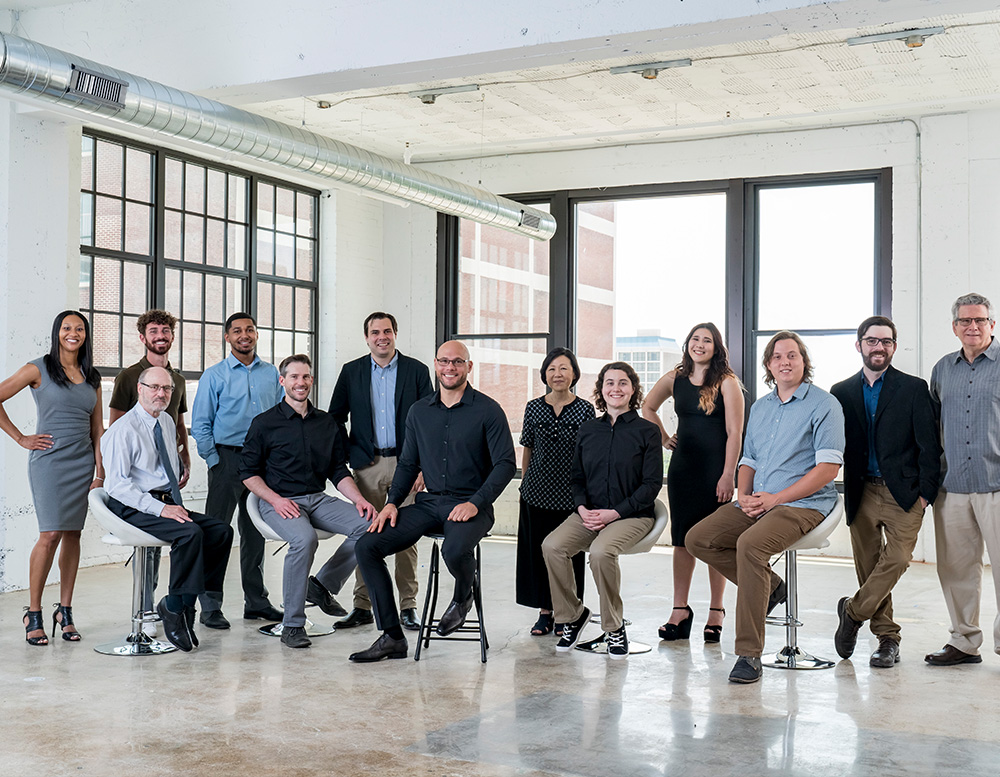
At Hexxen, we help companies bring content, search, websites, analytics, paid campaigns, and ongoing improvement into strategies that support real growth.
What a Digital Marketing Company Actually Does
SEO, paid campaigns, social media, content, and media production are useful pieces, but they only matter when they support a larger direction.
A strong digital marketing company connects traffic quality, visibility, messaging, website experience, and performance data instead of treating each piece like a separate task.

What Services Does a Digital Marketing Company Provide?
Many Baltimore, MD, digital marketing companies combine several services into one offering. The right services depend on the business, but the work should support clearer visibility, better traffic quality, and stronger conversion paths.
- SEO built around the services, markets, and industries the business needs to reach
- Web design and landing pages that make the next step easier for users
- Conversion rate optimization focused on turning better-fit visitors into form submissions, calls, purchases, consultation requests, or other meaningful actions
That list is a starting point, not the whole map. The right mix may change based on your industry, goals, audience, budget, and how your business defines a meaningful result.
How Does Digital Marketing Help a Business Grow?
Digital marketing works best when the strategy supports a real business goal instead of adding more activity to the calendar.
Ask yourself:
Do you need to sell more products online?
For ecommerce businesses, growth may come from improving product pages, paid campaigns, search visibility, checkout flow, and the landing paths that move users toward purchase.
Do you need better leads?
Better lead generation usually comes from reaching the right audience, answering the right questions, and making the next step clear once someone reaches your website.
Do you need stronger local visibility?
For local businesses, growth often depends on search visibility, review signals, location targeting, service-area content, and pages that match real local search behavior.
Do buyers need more time before they are ready to talk?
Some sales paths need content, reporting, and conversion points that help buyers compare options, understand the service, and return when the timing is right.
Do you need your website to support the strategy better?
A website can limit results when pages are unclear, calls to action are weak, forms create friction, or the user path does not match the campaign. Stronger marketing often depends on a website that supports the strategy instead of fighting it.
Are stronger competitors showing up first?
When competitors are easier to find and compare, the gap may come from clearer positioning, stronger service pages, better proof, smarter search targeting, or conversion paths that make them easier to choose.
The goals are measurable, but the work behind them can vary depending on the timeline, priorities, and resources available.
Talent, budget, time, website limitations, and unclear ownership can shape what a business can fix first and what needs to wait. Good planning helps separate the urgent work from the nice-to-have work and focus on the goals most likely to create movement.

How to Approach Digital Marketing in a Competitive Market
Doing more marketing does not always help a business get found, earn trust, or become the stronger choice. A competitive digital marketing company in Baltimore, MD, starts with the current strategy, the work that is producing value, and the gaps worth closing next.
Competitive digital marketing is not about copying the competitor with the cleanest website or strongest search presence. It is about understanding what helps them get found, where your own strategy is weak, and which improvements should come before more activity.
Why Marketing Activity Is Not the Same as Progress
Busy reports can make a digital marketing campaign look healthier than it really is. Impressions, email opens, pageviews, and low-intent clicks can show activity, but they do not automatically prove the work is creating better opportunities. When reports focus on activity without context, they can make digital marketing feel unclear instead of useful.
A better digital marketing strategy separates activity from intent. It should help show which signals reflect interest, trust, and real sales potential instead of counting every tracked action as a win.
Why Is the Site Getting Traffic Without Better Leads?
Website traffic can underperform when users reach pages that do not answer the right questions, guide the next step, or match the action the business wants them to take.
Common issues include:
- Broad service pages that do not clearly address the best-fit customer
- Visitors from related searches that are not close enough to a real buying decision
- Calls to action that are buried, generic, or disconnected from the page topic
- Thin service-area, industry, or service pages that leave users without a strong reason to take the next step
- Reporting that shows activity without making it clear which pages or channels are producing stronger leads
The answer is not always more visitors. Better leads usually come from working with a digital marketing company in Baltimore, MD, that can improve the path between the search, the page, and the next action.
Why Stronger Messaging Matters Before More Campaigns
Clearer messaging gives the rest of the strategy a better story to build from. Pages, campaigns, search results, and calls to action all work better when users can quickly understand what the business does, who it helps, and why it is a credible option.
More campaigns will not fix a message that is hard to understand. If the core offer is unclear, more promotion may only send more people into the same confusion.
Building Digital Marketing Services Around the Same Goals
More marketing options can reveal where your digital infrastructure is thin. Web design, SEO, paid campaigns, analytics, content, and conversion work should support the same goals instead of pulling in separate directions.
That does not mean the answer is always a full-service push. The right mix from a digital marketing company in Baltimore, MD, should depend on what needs to improve, where the business is weakest, and which channels can create useful movement first.

SEO & Content Strategy
Publishing content to improve search engine result page (SERP) rankings is a trackable and obvious goal for most businesses, but rankings alone are not the whole point.
You should want to rank for searches tied to:
- The solutions, services, or products your business wants to prioritize
- The questions that shape how users compare options before they decide
- The industries, locations, or use cases where your business has a clear advantage
- Higher-intent searches tied to comparison, evaluation, and decision-making
Search visibility works harder when it connects your business with users during the research, comparison, and decision stages.
How Do You Climb SERPs?
Build around search intent
The page should answer the reason behind the search before it tries to force every visitor through the same sales message.
Link related pages together
Industry pages, service pages, location pages, case studies, and blog content should support each other so users and search platforms can understand the depth of your expertise.
Strengthen existing content
Some of the best content opportunities may already exist on the site. Older pages can often be improved with clearer answers, better structure, stronger internal links, or more useful next steps.

Content Strategy Is More Than Publishing
Publishing more is not the whole strategy, and neither is renaming the same work every time search changes. SEO and content strategy should help decide which pages are needed, which ones should be improved, what needs to connect, and which topics are worth the effort.
What SEO and content need to account for now:
- More content does not automatically mean better content. Every page you publish shapes how users understand the business and how bots crawl and interpret the site.
- AI assistants can write thousands of words for you, but that does not mean the content is useful, accurate, differentiated, or worth publishing under your brand.
- Existing pages may need updates, clearer next steps, consolidation, or better internal links before the business publishes something new.
- Too much keyword usage is easy for users and bots to spot. Each page needs a clear target, but keyword clutter can make the copy feel forced fast.
- Link building should support authority, relevance, and trust rather than filling a report with low-value links.
- Directory and citation listings help reinforce core services, location signals, and NAP data across relevant listings.
How Do SEO, AEO, GEO, Local SEO, & AIO Work Together?
These labels are not completely separate, but they can help frame content from different angles:
- SEO (search engine optimization) helps search engines and users understand what your business offers, who it serves, and where it should be visible.
- AEO (answer engine optimization) matters when users are trying to get a clear answer before choosing a provider. Direct answers, FAQs, definitions, and short explanations can support that research path.
- GEO (generative experience optimization) focuses on how your brand appears, performs, and gets understood across AI-powered search experiences.
- Local SEO connects your services to specific markets through regional examples, local proof, service-area content, and smarter local targeting.
- AIO helps frame how SEO, AEO, GEO, and local signals can work together across search results, AI summaries, citations, and other AI-assisted discovery experiences.
AI search optimization is usually the safest way to look at these pieces together, especially when people use shorthand like AIO, AEO, GEO, and AI SEO in different ways. The goal is not to chase every acronym as a separate strategy.
Good SEO content should be clear for users, structured for search engines, useful for AI-driven summaries and citations, and connected to the larger goals of the website.

How Web Design Supports the User Journey
A website often gives people their first useful impression of your business. It helps explain what you do, who you are, whether you are credible, and why the work should matter to them.
Good websites help users do more than verify that the business exists. They organize the message, answer important questions, and make the next step easier to understand.
Telling that story starts with web design that supports the user journey instead of treating each page like a standalone sales pitch.
Lead users through the right sequence.
A useful page experience helps users move from problem to solution, interest to action, or comparison to trust without forcing them to piece the story together themselves.
Match the page to the moment.
A page should not treat every visitor the same. Someone from a high-intent search may need proof, service details, and a clear CTA, while an awareness-stage visitor may need more context first.
Place proof where users need it.
Reviews, client testimonials, case studies, credentials, service details, and project examples work better when they appear at the point where users need confidence before taking the next step.
When Website Complexity Starts Hurting the Experience
A larger website is not automatically a better website. More pages, more menus, more animations, more forms, and more design elements can help when they support the user journey, but they can also make the site harder to use.
The site starts working against users when the internal structure is easier to see than the offer itself. That can happen when:
●Menus reflect the business structure more than the user journey
Navigation becomes harder to use when departments, internal service lines, or staff structure matter more than the visitor’s path.
▣Similar pages start working against each other
Service, industry, and location pages can compete with each other when they do not add a clearer angle, proof point, or reason to act.
✦The preferred action gets buried
Too many competing CTAs can make the main action feel less obvious, especially when forms, buttons, and popups all demand attention.
★Useful details become harder to find
Service details, proof, contact options, pricing context, animations, and design elements can create friction when users have to work too hard to find what matters.
Note: Excessive redirects, auto-play videos, high-resolution images, advanced navigation, and other site elements can create load speed problems. Page load speed is a ranking factor, but it also affects whether the site feels easy to use after the click.
Mobile usability should not get treated like a side project anymore. If users have to wait, pinch, hunt, or fight the layout on a phone, the problem is broader UI/UX. That same user-path logic applies to landing page design, ecommerce paths, forms, and more advanced experiences like progressive web apps.
Good web design from a digital marketing company in Baltimore, MD, keeps useful detail in the right place. It helps users move through the site without getting trapped in internal structure, overloaded menus, or unclear page paths.
Paid Campaigns & Audience Targeting
Paid campaigns are more useful when the audience, offer, page, budget, and tracking are pointed at the same goal.
They can help with:
- Testing markets, messages, or landing pages
- Promoting seasonal offers, priority services, or products
- Reaching specific audiences through intent, location, behavior, or remarketing signals
- Competing for high-intent searches that are difficult to win organically
The risk is buying traffic before the surrounding system can support it. If the offer is unclear, the page is weak, the audience is too broad, or tracking is unreliable, paid campaigns can spend without producing much useful information.
When Are Paid Campaigns Worth the Budget?
There is no one-size-fits-all PPC budget for businesses working with a digital marketing company in Baltimore, MD. The right spend depends on what you sell, how competitive the market is, what a lead or sale is worth, and what the paid campaign needs to prove.
Campaigns tied to revenue need a clear scorecard.
A revenue campaign should make the business less dependent on guessing. If tracking shows which products, promotions, deals, or services are working, spend can move toward performance.
Campaigns can test before the bigger commitment.
Paid search can test offers, messages, landing pages, and locations before a business spends months pushing SEO or content in the wrong direction.
Gap campaigns can help while organic work develops.
While organic rankings develop, PPC can support competitive searches, seasonal pushes, and priority services that need visibility sooner.
Some users distrust ads, skip sponsored results, or compare paid listings more closely. PPC can still work, but the ad, offer, landing page, and follow-up have to make the click feel justified.
Web Development & Digital Infrastructure
Marketing works better when the website has the right structure behind it. For a digital marketing company in Baltimore, MD, solid web development helps the site load quickly, work reliably, collect useful information, and support the tools that keep the business moving online.
Web development supports the whole system.
Tracking, forms, ecommerce functionality, custom software, API connections, online payment integrations, and other technical pieces affect both the user experience and the business process behind it.
Development should keep the website from boxing you in.
A website that works today should not become a dead end tomorrow. Better web development infrastructure gives the business room to adjust based on performance data, user behavior, new services, and changing needs.
Development should connect the site to the workflow.
The website should make sense for the people using it too, including how they handle leads, manage content, collect information, connect tools, and work behind the scenes.


Building Ecommerce Development Around Online Sales
For businesses that sell online, ecommerce development needs to support more than a product catalog. The buying path depends on details like:
- Product pages that make specs, options, details, and buying questions easier to understand
- Cart review and checkout steps that make the buying process easier to finish
- Payment processing, shipping logic, tax settings, and inventory needs that work reliably
- Ecommerce tracking that helps identify what users view, where they leave, and which products or campaigns are creating value
- Catalog search, filtering, and sorting that help shoppers compare options more easily
- Mobile buying experiences that help users browse, review the cart, and check out without fighting the layout
A useful ecommerce experience helps customers understand the buying path, trust the process, and gives the business cleaner data about what to improve next.
What Your Digital Marketing Company in Baltimore, MD, Should Be Able to Explain
The work should not feel like a mystery. A digital marketing company should be able to explain what is being done, why it matters, and how it connects to business goals.
The relationship should include realistic timelines, clear priorities, measured reporting, and honest conversations about what is working, what is not working, and what needs to change.
Questions worth asking a digital marketing company in Baltimore, MD:
How can I get more web traffic?
Traffic growth usually depends on the reason the site is not earning enough visits now. Rankings, content, paid visibility, technical issues, and page fit can all affect whether more people reach the site.
Why are we ranking for some but not all of our keywords?
Competitive keywords usually need better pages, better support, and more time. Not every target is as valuable as its search volume suggests.
What should change next?
There should be a real answer, not a vague promise to “optimize,” another recycled task list, or a report full of numbers nobody wants to explain.
If the work is hard to explain and the answers do not get clearer, it may be time to reassess the digital marketing company and what the digital presence is supposed to do.
Questions and FAQs for Digital Marketing Companies
Here are a few questions businesses often ask when choosing a digital marketing company in Baltimore, MD:
Is digital marketing only about SEO and ads?
No. A useful digital marketing strategy can include SEO and ads, but it may also need content, web design, landing pages, conversion work, development, reporting, and ongoing improvement.
Those services should not operate like separate tasks. Traffic, content, design, development, and reporting matter more when the website can explain the offer and move users toward a clear next step.
How long does digital marketing usually take?
Digital marketing timelines depend on the goal, market, website condition, and channel mix. Paid campaigns can sometimes create visibility faster, while SEO, content, local visibility, and organic rankings usually build more gradually.
Digital marketing is not usually a one-time fix. The work should improve over time as the strategy gets better data, better pages, clearer priorities, and more useful performance signals.
Can a digital marketing company help improve lead quality?
Yes, but only if the work is aimed at the right audience, searches, pages, and conversion paths. More visitors do not automatically mean better leads.
Better leads often come from a website that speaks to best-fit customers, filters weak-fit traffic, answers better questions, and makes the next action easier to understand.
What should I look for when choosing a digital marketing company?
The right company should make the work understandable by explaining what is happening, why it matters, and how it supports your goals.
- A clear strategy instead of disconnected tasks
- Reporting that makes performance easier to understand
- Experience across content, design, development, and marketing channels
- Priorities and timelines that fit the goals, budget, and current website
- Willingness to talk about what is not working
The right partner should bring more clarity, not more confusion.
Should local and broader growth use the same marketing strategy?
Not always. Local growth may need service-area pages, local search signals, and regional proof, while broader growth may need paid campaigns, industry-specific pages, or content built around a wider audience.
The right approach depends on where customers are, how they search, and whether the business is focused on nearby markets, larger regions, or a specialized audience.
Build a Smarter Digital Marketing Strategy
Hexxen helps businesses bring the pieces together, from search and content to design, development, paid campaigns, and ongoing performance improvement.
Services may include:
Whether the priority is better visibility, better lead quality, a more useful website, or a clearer plan for what comes next, our team can help you identify the right path forward. You can also review our client testimonials and case studies to see how our digital marketing company in Baltimore, MD, approaches growth online.
Contact us or call (314) 499-8253 to get the conversation started.