
Reach More Customers with Hexxen’s Digital Marketing Services
Manufacturing companies need a digital presence that explains what they make, proves they can deliver, and helps the right B2B buyers take the next step. At Hexxen, we develop websites that allow manufacturers to showcase their expertise and get connected with interested buyers. We turn complex capabilities into clear paths through your website, strengthen how your company appears in search, and build tools that support business-to-business lead generation for your manufacturing business.
Table of contents
Hexxen rescued us
“They are real pros and did great work on our new site build. Previously we were at another firm and they were both unprofessional & deceptive. Hexxen rescued us from that train wreck ....Thanks Hexxen! ”

Richard Poynter
Poynter Landscape
See How Hexxen Has Helped Businesses
Build a Manufacturing Website Around How Buyers and Sales Teams Work
Industrial B2B buyers have different responsibilities and may ask different technical questions. Your website should help each person verify whether they’re a good fit for your services and move them towards a productive sales conversation by:
- Organizing Information Around Buyer Roles — Give engineers, procurement teams, plant managers, executives, distributors, and dealers easy access to relevant information.
- Show Your Manufacturing Capabilities — Present materials, tolerances, equipment, capacity, certifications, facilities, applications, and quality processes consistently.
- Make Technical Resources Easy to Use — Connect products with spec sheets, CAD files, manuals, certifications, case studies, and other important documentation.
- Generate Better RFQs — Request part numbers, materials, quantities, tolerances, drawings, timelines, and contact details.
- Support Sales and Distribution Channels — Provide distributor locators, dealer resources, application content, sales materials, and territory-based lead routing.
A custom component manufacturer managing tolerances and RFQs needs a different structure than an OEM or an industrial distributor who manages thousands of SKUs. Hexxen’s work with John Henry Foster shows how those needs can shape a manufacturing website.
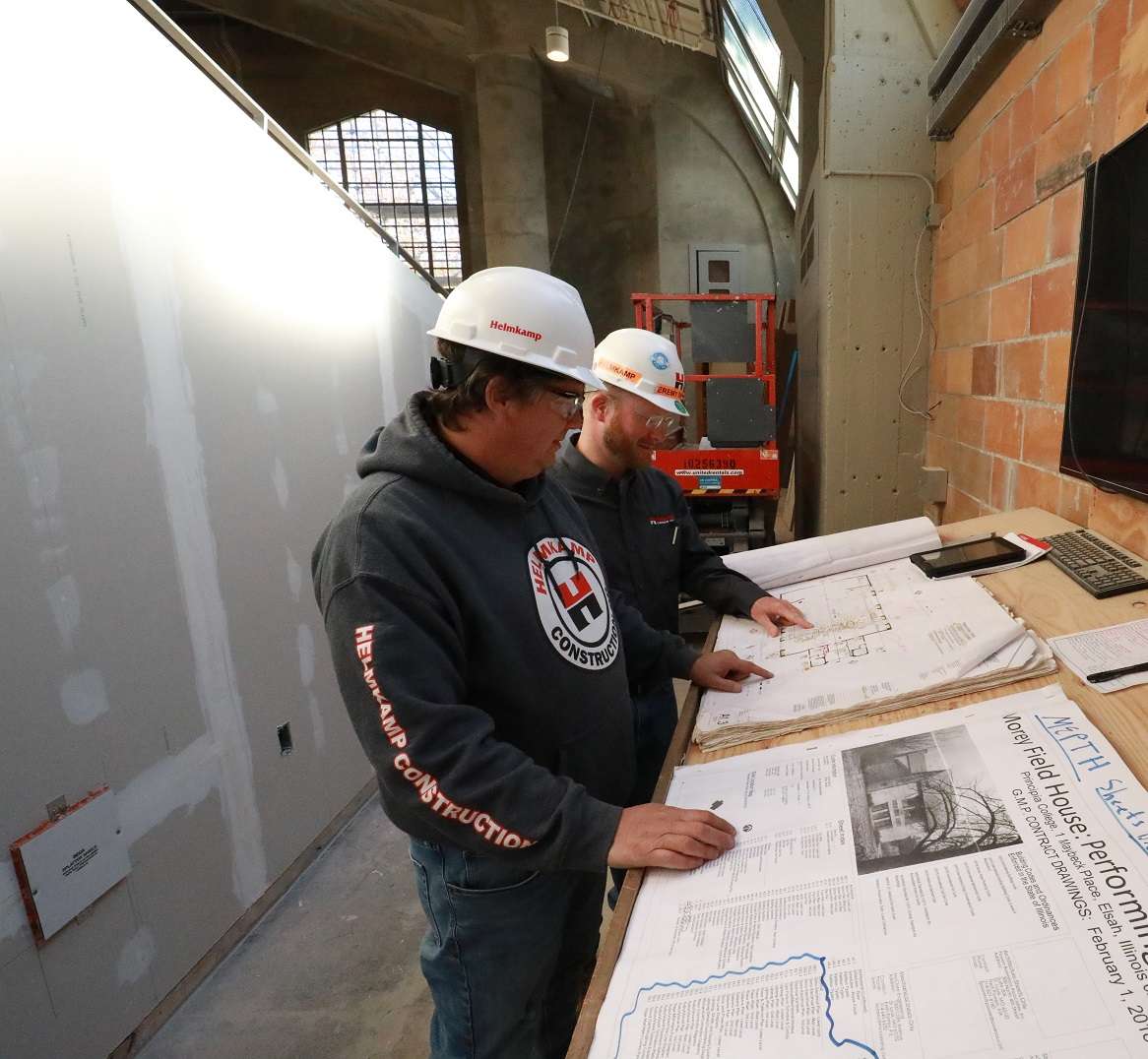
Solve Compelx Manufacturing Website and Product Data Problems
Large catalogs and years of accumulated technical content can make a manufacturing website difficult to search and maintain. But purpose-built development can make that information much easier to manage and browse.
Make Large Product Catalogs Usable
Search, filters, categories, attributes, and product relationships should help buyers narrow thousands of SKUs without relying on typing an exact match for a term.
Create Consistency Across SKUs and Model Numbers
A consistent data structure keeps part numbers, specifications, options, documents, and related products aligned across catalog pages and search results.
Give Customers Secure Access to Documentation
Customer portals and gated libraries can protect manuals, CAD files, pricing, and technical documentation while also keeping approved resources easy to retrieve.
Build Better RFQ and Quote Workflows
Custom forms can collect drawings, specifications, quantities, application details, and deadlines before routing a request to the appropriate team.
Support Account-Specific Buying Experiences
Secure logins can support gated pricing, approved catalogs, saved products, order resources, and distributor tools without exposing account-specific information publicly.
The goal is to create a manufacturing website that organizes complex information around real buyer tasks while giving your internal teams a manageable system for keeping it all accurate.
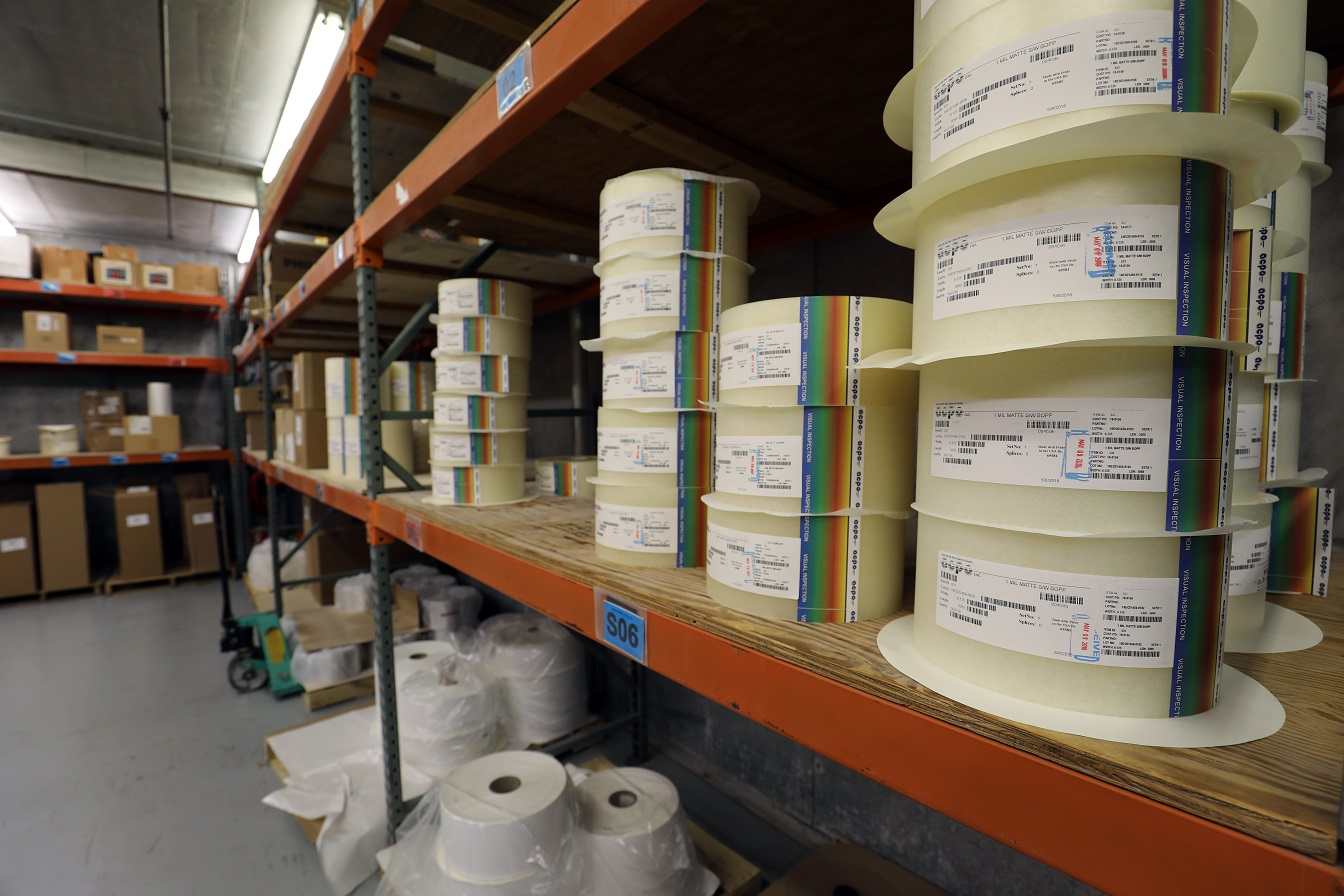
Connect Your Website to Manufacturing Systems
Product and customer information often exists across several platforms. Integrations can reduce duplicate maintenance, improve accuracy, and connect your site with the systems your employees already use.
- Connect ERP, PIM, CRM, and Inventory Data — API development can connect product catalogs, customer records, availability, location data, RFQs, and other website functionality with your core manufacturing systems.
- Keep Product Information Consistent — PIM and ERP integrations can synchronize descriptions, specifications, categories, pricing rules, and status changes across large product catalogs.
- Automate Sales and Service Handoffs — Software automation can send qualified RFQs, portal activity, downloads, and customer requests to the appropriate CRM workflow or internal team.
- Build for the Systems You Actually Use — Custom software can address account rules, approval paths, legacy databases, or operating requirements that off-the-shelf software can’t support.
The right integration plan depends on data ownership, update frequency, security, and internal workflows. Hexxen’s work with Ecomate demonstrates a successful integration strategy tailor-made for a manufacturing company.
How Manufacturing SEO Connects Businesses with Buyers
Manufacturing SEO works when search pages reflect how buyers describe parts, processes, applications, specifications, and sourcing problems. Each search should lead to information that helps a buyer determine whether your services are a good fit for their needs.
Build Around Real Manufacturing Search Intent
Research should cover process names, materials, tolerances, equipment, part and model numbers, product categories, applications, certifications, problems, and markets.
Give Products and Capabilities Clear Destinations
Dedicated product, process, industry, and location pages create stronger search matches than one broad capabilities page.
Protect Complex Technical Websites
Technical SEO should account for duplicate URLs, search filters, PDFs, discontinued SKUs, redirects, crawl paths, page speed, and catalog migrations.
Publish Content That Supports Technical Decisions
Content marketing can explain material selection, tolerances, equipment, maintenance, comparisons, and particular applications before a buyer ever submits an RFQ.
Compete Across Industries and Markets
Manufacturers can build visibility around the industries, facilities, and territories that align with their particular capacity, margins, and growth plans.
A focused manufacturing SEO strategy strengthens existing product and service pages while also identifying gaps that keep qualified B2B buyers from finding your company.

Measure Your Manufacturing Site’s Performance from Search to Revenue
Manufacturing sales cycles can be long, and one well-qualified opportunity often matters much more than many weak, low-level inquiries. Your metrics reporting should follow the path from initial visibility to revenue and all the steps in between.
- Take Actions That Show Buying Intent — Measure RFQs, calls, spec sheet downloads, distributor searches, and visits to high-value product or service pages.
- Lead Quantity vs. Lead Quality — Evaluate the order size, territory, and potential project timelines of your incoming requests to ensure you’re finding the right customers.
- Connect Marketing with Sales Outcomes — KPI reporting should connect source data with qualified opportunities, proposals, sales cycle length, and revenue.
- Improve the System Over Time — As tactics and strategies show that they’re working (or not working) as intended, augment or adjust your campaigns accordingly.
In manufacturing, the right metrics make all the difference. Order cycles, the cost of raw goods, inventory management, and more critical metrics are what drive vital business decisions. Your marketing metrics are the same way, and Hexxen can help you track the data that matters most.
Manufacturing Digital Marketing, Web Design, and Web Development FAQs
Why is digital marketing for manufacturers different from general B2B marketing?
Manufacturing purchases often involve in-depth technical requirements, multiple decision-makers and long evaluation periods. Marketing has to help you find customers who are a good fit for your business. That means organizing technical information carefully and creating conversion paths that collect useful details for your sales team.
How long does manufacturing SEO take to generate leads?
There is no universal timeline. Results depend on several factors, including:
- Your website's current condition
- Industry competition
- Search demand
- Content depth
- Domain history
- Your target markets
Technical improvements and existing-page updates may create early movement, while competitive product or capability terms usually require a sustained campaign or strategy.
Can SEO work for highly specialized products with low search volume?
Yes. Low volume doesn’t always mean low value. A small number of highly specific searches can produce meaningful opportunities when each prospect represents a large order or a potential long-term account.
Can digital marketing support distributors and independent sales representatives?
Yes. A manufacturing marketing strategy can include co-branded landing pages, distributor locators, partner resources, and clear rules for handling inquiries. The goal is to make the website useful to partners while maintaining a consistent brand and helping each lead reach the right team member.
What kind of content should a manufacturing company publish?
It’s best to start with content that helps buyers evaluate fit and helps sales teams answer the questions your buyers ask most often. Useful formats may include:
- Product and capability pages
- Industry pages
- Material, tolerance, equipment, and process explanations
- Selection guides and product comparisons
- Project profiles and case studies
- Maintenance, troubleshooting, and technical FAQs
The strongest topics often come from sales conversations, customer questions, and gaps in your current buying process.
How should manufacturers with long sales cycles measure digital marketing ROI?
In these cases, it’s best to use more than closed revenue alone. Track qualified inquiries, marketing-sourced and marketing-assisted opportunities, sales cycle length, target-account engagement, and eventual revenue. CRM integration and consistent source tracking can help connect early website activity with outcomes that may occur months later.
Can Hexxen modernize an existing manufacturing website without disrupting the business?
Yes. The right approach depends on the website’s current platform and your needs. A project may involve a redesign, focused page improvements, website maintenance, a CMS migration, a catalog rebuild, or custom development. Hexxen plans redirects, content preservation, search equity, and launch requirements so the new system improves without losing any value you already have.
Reach the Right Audience for Your Business with Hexxen
Your website should do more than simply confirm that your company exists. It should help buyers understand your capabilities, give your sales teams better tools, and turn search demand into revenue-driving conversations.
Hexxen brings design, content, SEO, marketing, development, and reporting together around those goals. Our team can help manufacturers strengthen their full digital system to help meet their business goals with:
- Web design and web development built around technical buyers
- SEO services tied to products, applications, and markets
- Conversion rate optimization focused on qualified demand
- Custom software and integrations that connect the customer experience
Contact Hexxen online today or call (314) 499-8253 to talk through your manufacturing company’s website, search visibility, lead generation, and development priorities.