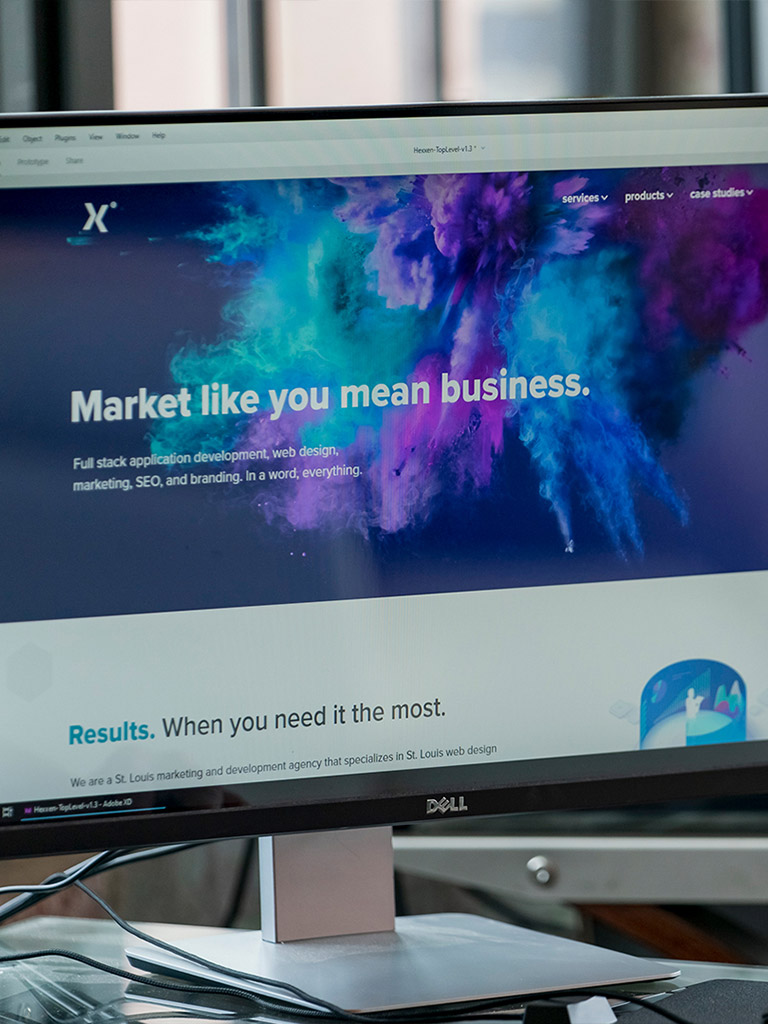

Successful website design needs to support the way your business actually works. That includes everything from marketing and sales to customer service and the systems your team uses behind the scenes.
A polished homepage will not fix confusing navigation, weak content, broken tracking, or a contact form that sends good leads into the void.
A good website design company should understand what the site needs to accomplish before getting too far into how it should look.
Table of contents
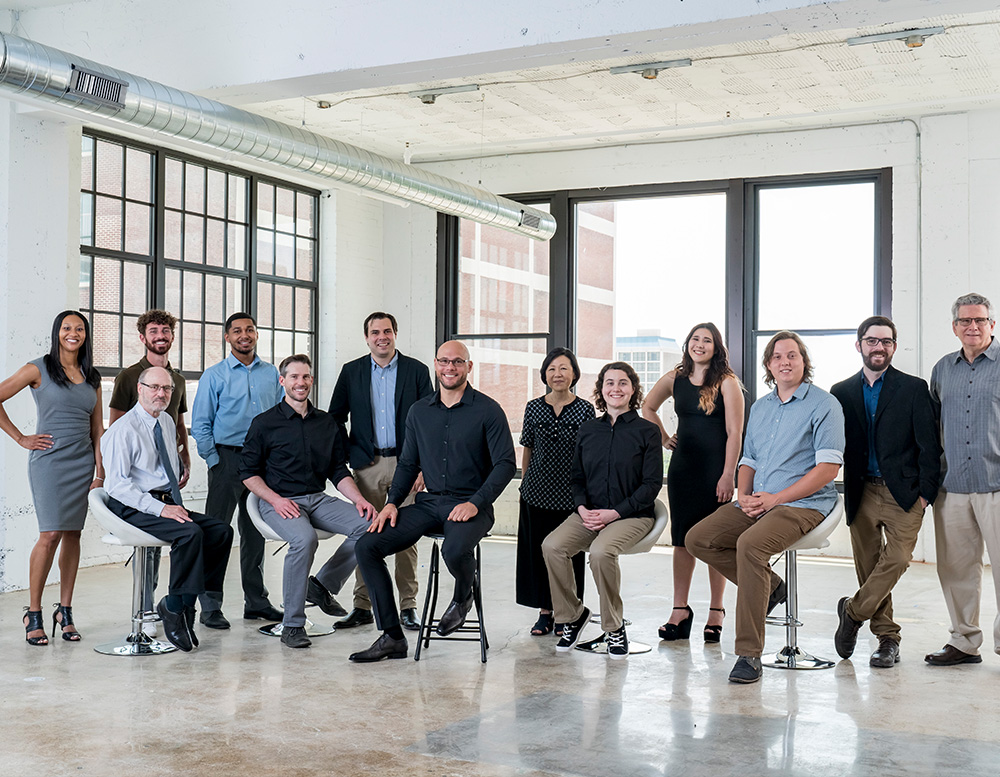
Hexxen has more than 25 years of experience designing, building, optimizing, and improving websites for companies with very different customers, systems, and growth plans.
What Does a Business Website Need to Accomplish?
What the website needs to do depends on the business and the people using it. A manufacturer might have engineers looking for specifications, drawings, or other technical information. Someone visiting a law firm’s website may be dealing with an urgent problem and looking for the fastest way to speak with an attorney. An ecommerce site has to make it easy to find the right product and complete a purchase without unnecessary friction.
Still, most strong websites handle four basic jobs.
1. Explain the offer quickly.
Visitors should be able to quickly understand what you do, whether it is relevant to them, and where they should go next, without having to dig through vague messaging or unnecessary content.
2. Give people a reason to trust the business.
Case studies, project examples, reviews, credentials, staff experience, product details, useful content, and a coherent brand all help. The right proof depends on what a buyer is trying to verify.
3. Guide different users toward the right information.
A first-time visitor, an existing customer, a job candidate, and a procurement team may enter through the same domain with completely different intentions. They should not all be forced through the same path.
4. Create a useful next step.
The next step might be a call, form, purchase, quote, application, account login, download, dealer search, appointment, or conversation with sales. It should feel natural for the page and easy to complete.
How Website Needs Change by Business Model
The fundamentals stay familiar, but the work changes depending on what the website is expected to sell, explain, organize, or connect.
Calls, forms, and appointments
Lead Generation Websites
Service pages, local search visibility, reviews, case studies, and clear ways to contact the business are all important. The website should give potential customers enough information to decide whether it makes sense to call, submit a form, or schedule an appointment.
Products, carts, and repeat buyers
Ecommerce Websites
Product organization, filters, inventory, payment, shipping, customer accounts, and order updates all affect whether the site is easy to use. The product page is important, but the rest of the buying process has to work just as well.
Longer research and buying cycles
B2B and Industrial Websites
Capabilities, technical details, industries, project experience, resources, and sales support need to work together. Buyers may arrive with very specific questions long before they request a quote.
Multiple audiences and systems
Enterprise and Custom Platforms
Global content, data feeds, APIs, permissions, portals, complex forms, and internal stakeholders turn the website into a larger software and operations project.

Website Design Services That Work Together
Hexxen handles strategy, content, design, development, SEO, and tracking as parts of the same project. The exact scope changes from one website to the next, but each piece should be planned around how the finished site needs to work.
Website Strategy and Architecture
We define what the site needs to accomplish, which users it serves, what belongs in the navigation, and how pages should support discovery and conversion.
- Discovery, competitive review, and audience planning
- Sitemaps, page types, user journeys, and conversion paths
- Content, feature, and integration requirements
UX, UI, and Visual Design
Layouts, navigation, typography, imagery, and interactive elements are designed around the information users need and the actions they need to take. Mobile layouts are planned from the beginning rather than adapted after the desktop version is finished.
- Wireframes and high-fidelity page mockups
- Responsive interfaces and reusable design systems
- Accessible design informed by W3C accessibility guidance
Website Content and Search Foundations
We plan website content around what customers are looking for, what the business needs to explain, and the terms people are actually searching. Pages also need the right supporting information, such as reviews, project examples, credentials, pricing details, or other reasons to trust the company and take the next step.
- Core messaging, service content, product copy, and calls to action
- Search-friendly URLs, headings, metadata, schema, and internal structure
- Content organized for traditional search and AI-assisted discovery
Web Development and Integrations
Once the design is approved, Hexxen builds the website and connects the functionality it needs. That can include custom front-end development, content management tools, ecommerce features, APIs, forms, and integrations with other business systems.
- Custom development and content management
- CRM, ERP, payment, inventory, map, portal, and API connections
- Secure forms, lead routing, user accounts, and custom functionality
Testing, Performance, and Launch
Before launch, we test the website across different devices and browsers and check forms, redirects, analytics, accessibility, search settings, and any connected systems.
- Responsive and cross-browser testing
- Performance work informed by Google’s Core Web Vitals guidance
- Redirect planning, indexing checks, analytics, and launch support
SEO and Digital Marketing Integration
Hexxen plans websites to support SEO, paid campaigns, email, social media, content marketing, and other channels. Different campaigns may need different landing pages, offers, forms, or calls to action rather than sending everyone to the same place.
- SEO-ready service pages, location pages, resources, and landing pages
- Campaign-specific conversion paths, forms, calls to action, and lead tracking
- Analytics and attribution that connect website activity to marketing results
Website Design for Different Kinds of Growth
Good website design does not produce the same answer for every client. These projects needed four very different answers.
A searchable portfolio and sales tool
Counsilman-Hunsaker
Counsilman-Hunsaker needed to showcase more than 1,500 aquatic projects that allow prospective clients to quickly find relevant examples of its work.
Hexxen built a searchable project system that lets prospective clients and the sales team filter work by project type, sector, service, and location. An interactive map makes decades of experience easier to explore and much more useful during the sales process.

A global interface backed by complex data
UniGroup Worldwide
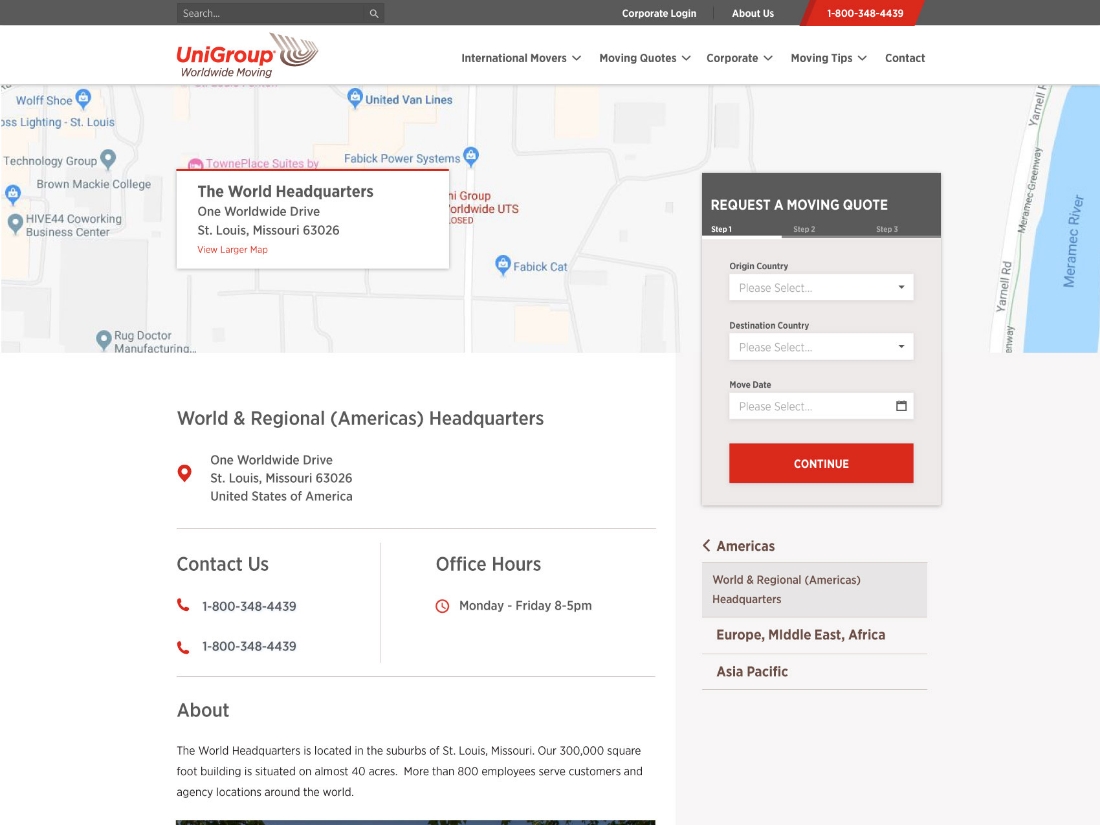
UniGroup's old website was not converting well, and the technology supporting its global operations had become outdated.
Hexxen paired a conversion-focused redesign with a modernized API system that synchronizes information across UniGroup’s international network. Customers get a clearer experience while the system behind the website handles far more complexity.
Retail, ecommerce, and lead generation
Shirt.Co
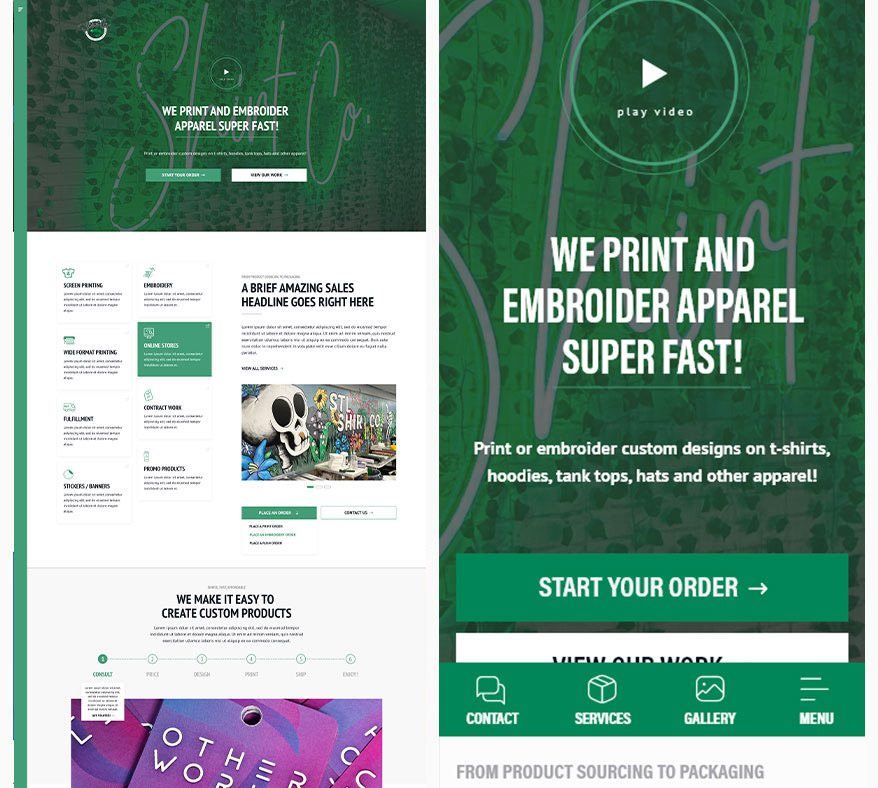
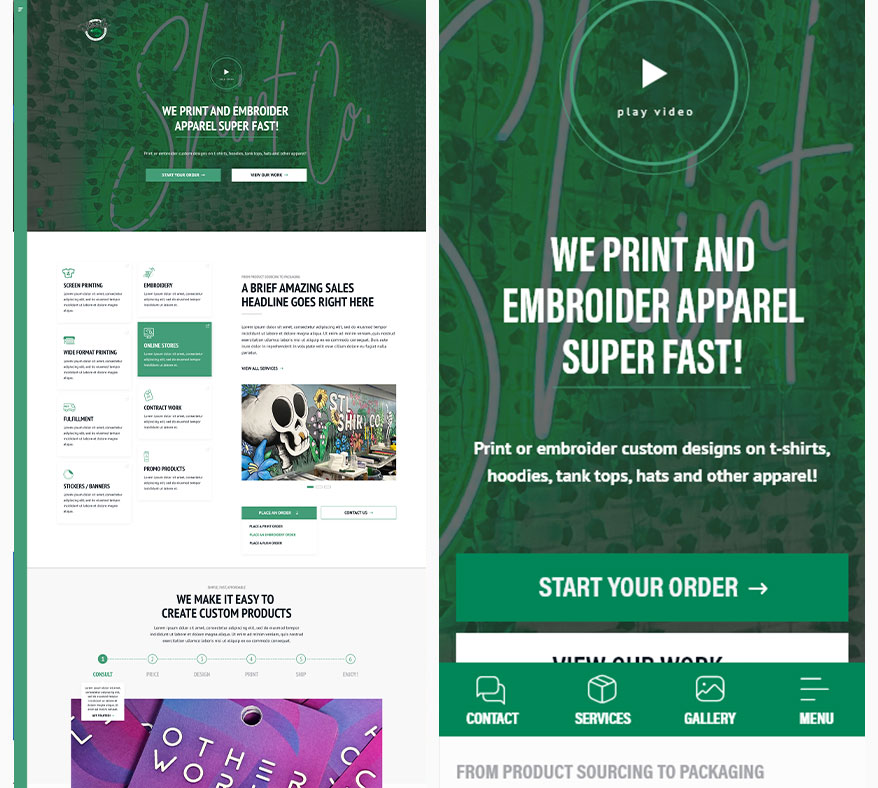
Shirt.Co offers custom apparel, promotional products, branded merchandise, online stores, and several production methods. The website needed to organize those options clearly and help customers find the right service for what they wanted to order.
Hexxen reorganized the services, strengthened the visual brand, and created clearer paths to products and quote requests. Combined with SEO, paid media, and reporting, the new system helped increase quote requests from roughly one or two per week to 15 to 20 per day.
A multi-market growth and intake platform
Combs Waterkotte
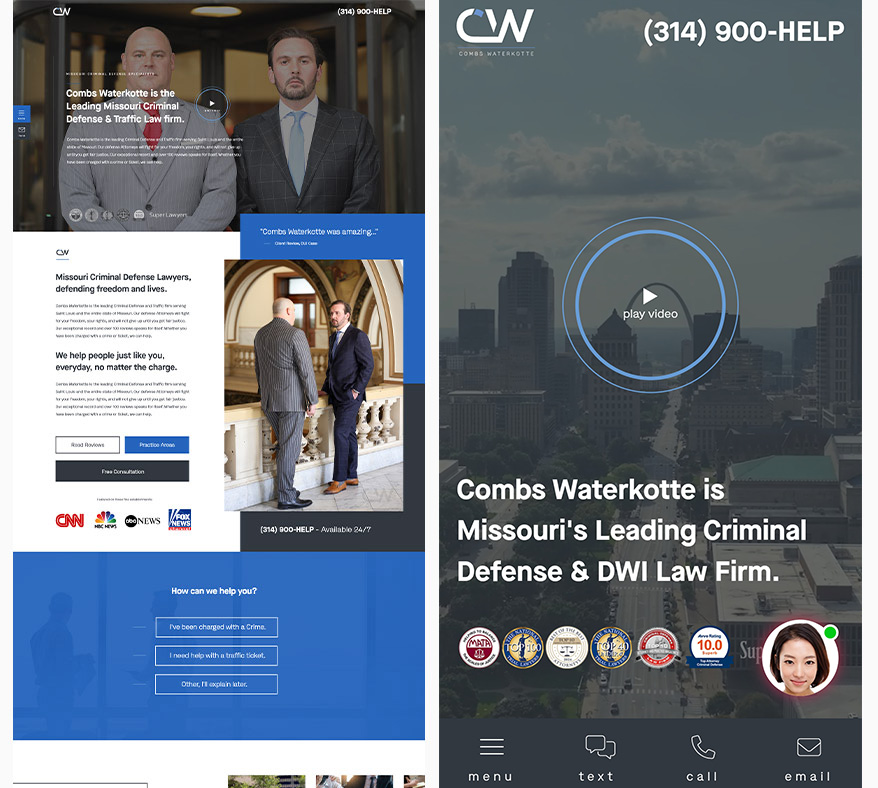
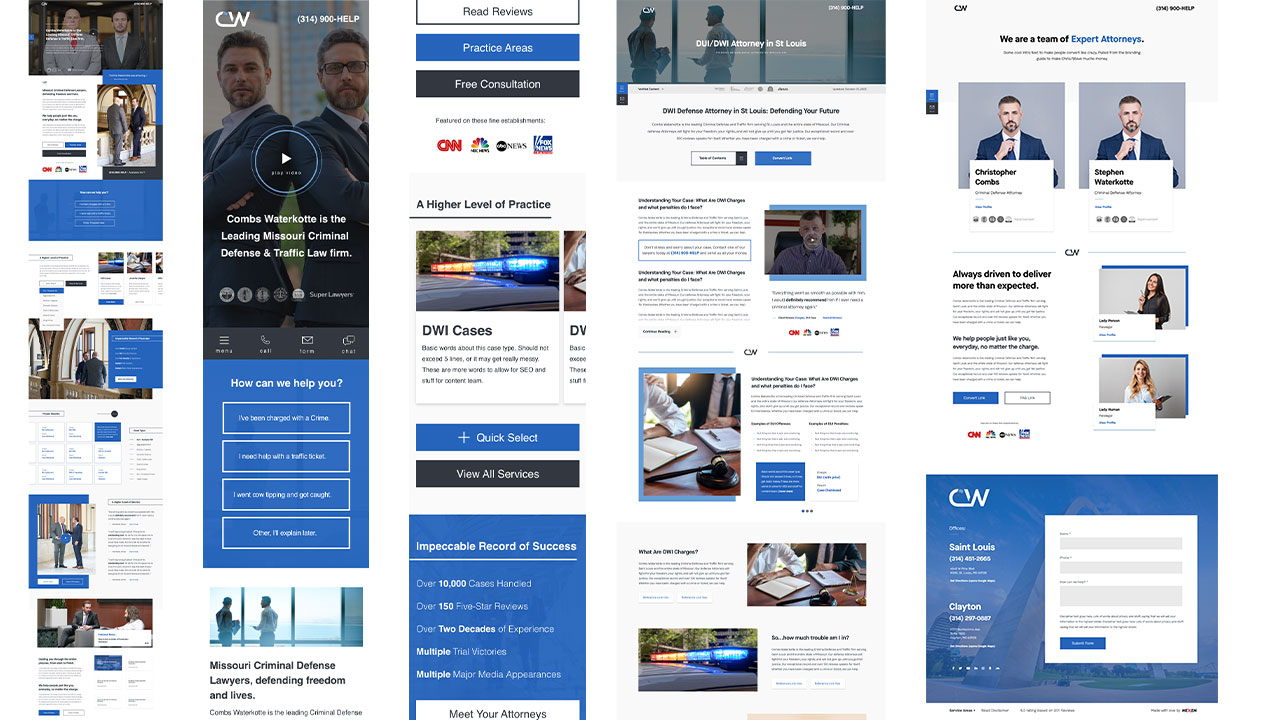
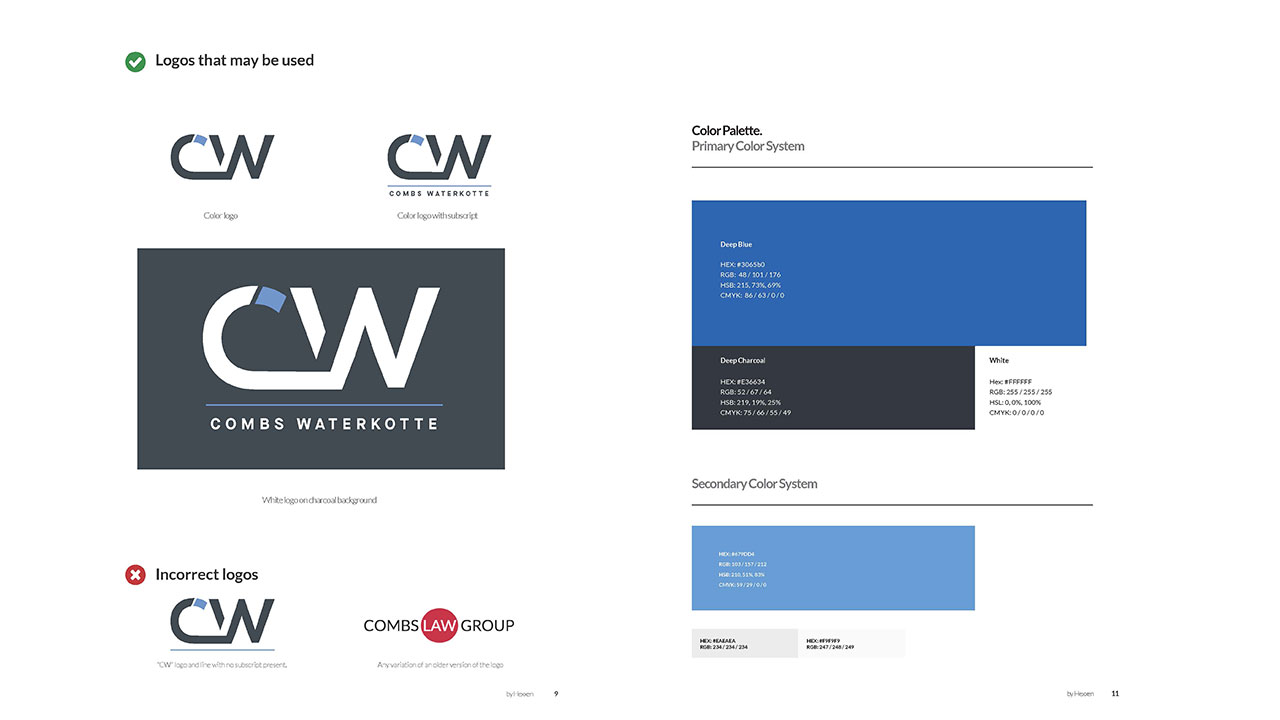
Combs Waterkotte’s website had to keep pace as the firm added attorneys, practice areas, offices, and entirely new markets.
Hexxen redesigned the site around location-specific navigation, conversion-focused landing pages, advanced intake forms, and content for different case types. As part of a wider search, advertising, branding, and operations partnership, the firm expanded to six locations and reported 700% revenue growth over eight years.
Ready to Build the Website Your Business Needs Next?
Hexxen brings strategy, content, design, development, SEO, and marketing together around what the website needs to accomplish.

Common Problems With Business Websites
Most underperforming websites have several smaller problems stacked together: a vague message, an awkward menu, thin pages, slow load times, weak mobile layouts, or forms nobody has tested in six months.
The website still represents an older version of the company.
Your services, team, market, and positioning changed. The website did not. Visitors are left judging the current business through an outdated brand and a sitemap built for a smaller company.
People visit, but they do not take the next step.
Traffic can look healthy while calls, quote requests, purchases, applications, or booked appointments stay flat. The page may be attracting the wrong audience, answering the wrong questions, hiding the proof people need, or offering a generic call to action that fits nobody in particular.
The navigation makes sense internally, not to customers.
The navigation is organized around the company instead of the customer. Services, product categories, industries, and locations may make sense internally, but visitors can struggle to figure out where the information they need actually lives.
Content, design, and development were planned separately.
The copy does not fit the approved layouts. The design assumes content that does not exist. Development begins before anyone has settled the page structure. By launch, the website looks assembled rather than planned.
The website creates work behind the scenes.
Leads go to the wrong inbox. Staff retype form data into another system. Product information has to be updated in two places. Nobody knows which campaign produced a sale. A site can look clean on the front end while quietly wasting time every day.
More Custom Website Design Work
Some projects call for a large digital system. Others need a smaller site with a very clear identity and purpose.
A technical B2B website built for exploration
FSI
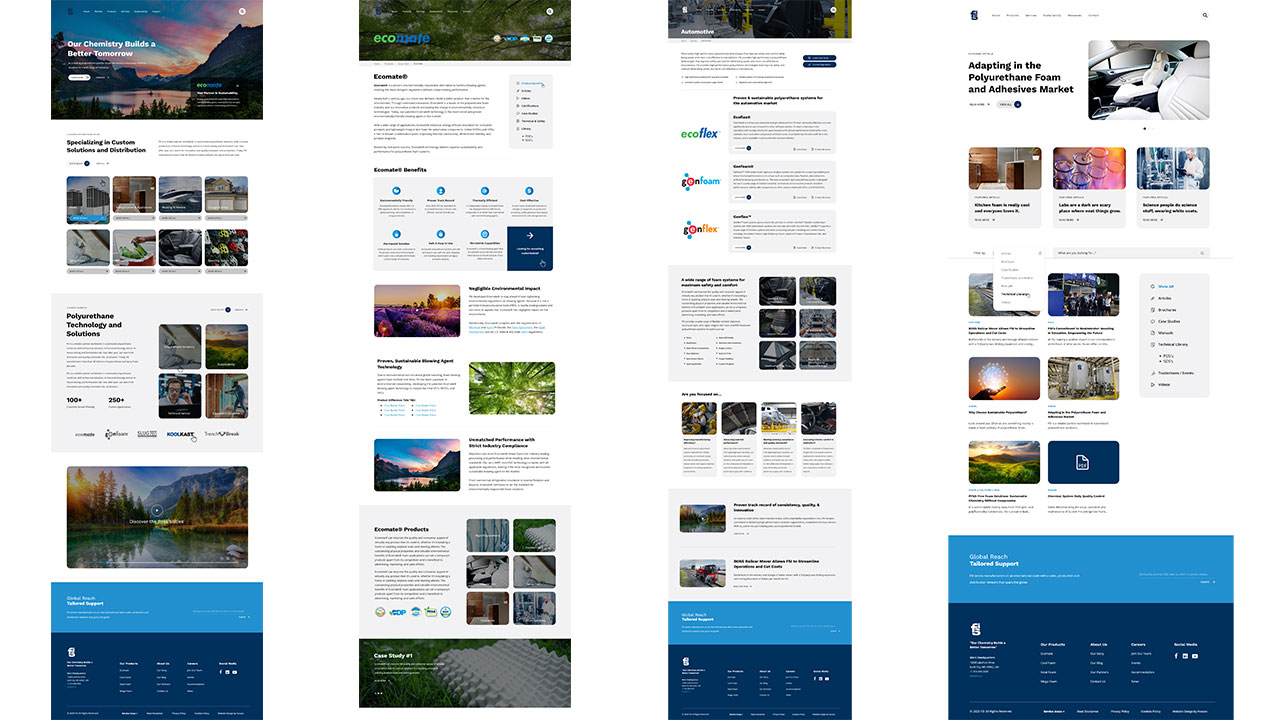
FSI needed to organize a large polyurethane product catalog, technical resources, markets, services, sustainability information, and global locations without making users dig through a maze. Hexxen created clearer product paths, deeper technical pages, and a structure built for engineers, buyers, and existing customers.
A focused experience for a luxury brand
Unlimited Audio
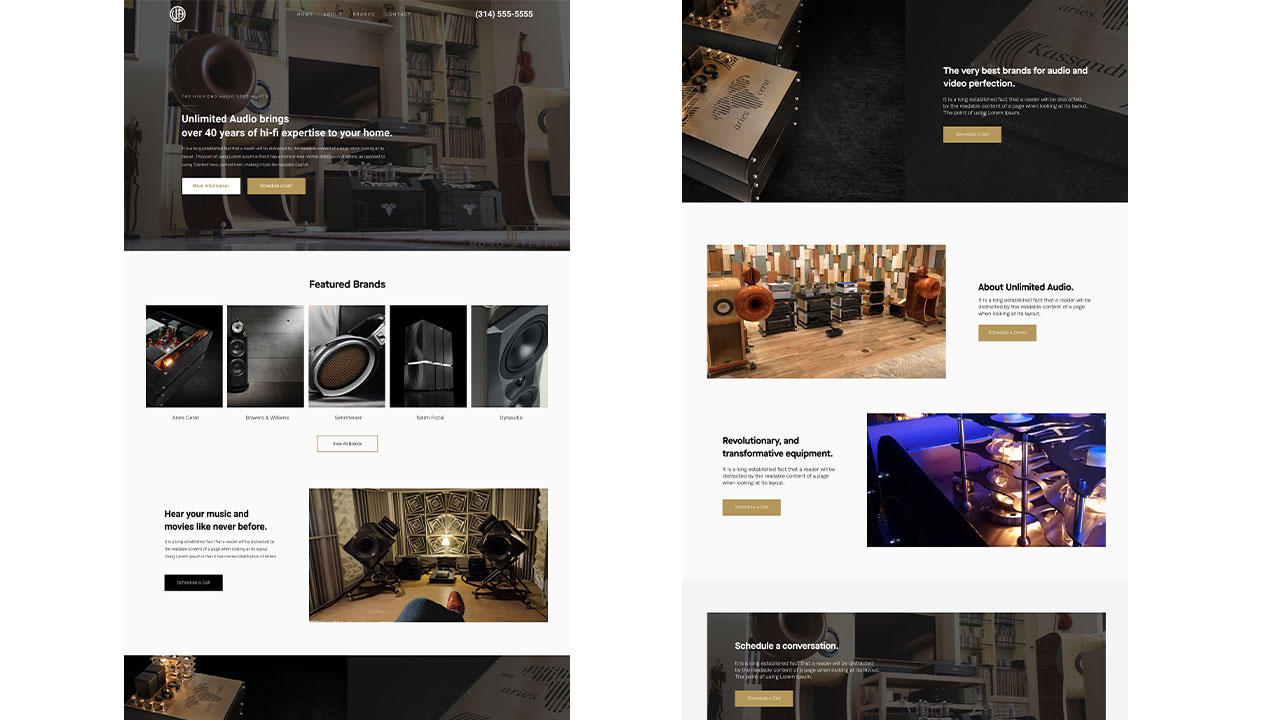
Unlimited Audio needed a compact site that could make ultra-premium audio equipment feel as distinctive online as it does in a listening room. Dramatic imagery, focused brand pages, and a direct consultation path keep the experience polished without burying it under unnecessary content.
A Website Redesign Should Fix More Than the Old Design
A redesign is a chance to keep what works, remove what does not, and repair problems that accumulated over years of quick edits.
✓ Keep valuable search equity.
Useful pages, rankings, backlinks, metadata, and URLs need to be reviewed before anything is deleted or redirected.
✓ Consolidate repeated or outdated content.
More pages are not automatically better. Several thin pages may be stronger as one useful resource with a clear purpose.
✓ Plan real content before approving every layout.
The design should survive contact with actual headlines, product details, case studies, tables, forms, and photographs.
✓ Protect the working parts of the business.
Forms, integrations, logins, feeds, analytics, and internal workflows should be documented before the old site disappears.
Connecting Your Website to Marketing and Operations
A website often sits between the public-facing brand and the systems employees use every day. The handoff between those two sides should be deliberate.
- Leads should reach the right person with useful context.
Forms can route by service, territory, product, urgency, office, or customer type instead of dropping every inquiry into one crowded mailbox. - Campaigns should lead to pages built for the same offer.
SEO, paid search, email, social, media, and sales outreach perform better when the landing experience continues the message that earned the click. - Customers should not feel the seams between systems.
Payments, inventory, scheduling, account tools, shipping estimates, quote builders, and support requests can connect without forcing people to start over at every step. - Reporting should follow actions with business value.
Pageviews are useful context. Calls, purchases, qualified forms, booked appointments, applications, and revenue tell you what the website is producing.
How Hexxen Builds a Website
Website projects have a lot of moving pieces, so the process needs visible checkpoints. You should be able to review the structure, content, design, and working build before launch day turns into a surprise party nobody asked for.
1. Discovery and Research
We learn how the business makes money, who uses the website, what the current site gets wrong, which systems are involved, and what success should look like after launch.
2. Sitemap, Content, and Technical Planning
The page structure, user paths, content responsibilities, features, integrations, redirect needs, and measurement plan are defined before development starts absorbing expensive changes.
3. Content and Design
Writers and designers build the message and visual system together. Key pages are mocked up with enough real content to test hierarchy, pacing, proof, and calls to action.
4. Development and Integration
The site is built, content is loaded, functionality is connected, and the team reviews working versions in stages. Feedback happens while the work can still be adjusted cleanly.
5. Testing, Launch, and Improvement
We test the site, complete redirects and tracking, launch carefully, and watch what happens next. Real users have a talent for finding the one path nobody thought to click.

What Happens After Your Website Launches?
Launch is the first day the website starts collecting useful data. It is also when the site begins doing its real job across marketing, sales, customer service, recruiting, ecommerce, and other parts of the business.
Can your team manage the website?
Editors should know how to update routine content without risking the layout. More complex changes should have a clear support path instead of depending on the one person who remembers how the old site worked.
How will the website support your marketing?
SEO, paid campaigns, email, social media, content, and offline promotions all need useful places to send people. That may mean expanding service pages, building campaign landing pages, publishing new resources, testing offers, or creating clearer paths for different audiences as the marketing strategy develops.
Are important actions being measured?
Calls, forms, purchases, applications, downloads, and other valuable actions can be tracked as events and conversions. Google Analytics conversion tracking provides one piece of that measurement plan.
Is the site staying healthy?
Software updates, security, uptime, form testing, performance, broken links, and third-party integrations need attention. Small failures are much easier to fix before they become a lost weekend.
What should improve next?
Search data, user behavior, lead quality, sales feedback, and customer questions can point to pages that need clearer content, better proof, a shorter form, or a new path entirely.
Website Design Company FAQs
How much does a custom website cost?
Cost depends on the number and type of pages, content needs, design complexity, ecommerce or custom functionality, integrations, data migration, and the condition of the current site.
A useful proposal should show what is included and which parts of the project create the largest swings in cost. A five-page marketing site and a multi-location platform with custom APIs are not neighboring products.
How long does it take to design and build a website?
Most custom website timelines are measured in months, not days. A focused site can move faster. Content-heavy, ecommerce, multilingual, or highly integrated websites need more planning, production, review, development, and testing.
Client feedback, content approvals, photography, data cleanup, and third-party access can affect the schedule as much as the build itself.
Can Hexxen redesign an existing website?
Yes. We can evaluate the current structure, content, design, search performance, analytics, integrations, and technical setup, then decide what should be kept, improved, consolidated, migrated, or replaced.
Can Hexxen write the website content?
Yes. Our content team can plan and write core pages, service or product content, industry and location pages, calls to action, case studies, FAQs, and supporting resources. Content planning happens alongside design so the final layouts are built for the message they need to carry.
Is SEO included in website design?
SEO should be considered throughout the website design process. That includes crawlable navigation, page structure, URLs, metadata, content planning, redirects, mobile experience, performance, schema opportunities, and launch checks.
The goal is to launch with a strong SEO foundation rather than hand your team a website that creates more work later. Ongoing SEO builds on that foundation through continued content, technical improvements, authority building, local visibility, reporting, and optimization over time.
Will the website work on phones and tablets?
Yes. Responsive behavior is planned and tested across common screen sizes and browsers. Mobile design is not a compressed desktop page. Navigation, tap targets, content order, forms, media, and calls to action all need to work in the smaller space.
Can the website connect to our CRM, ERP, inventory, payment, or other systems?
Yes. Hexxen builds custom APIs and integrations for systems such as CRMs, ERPs, ecommerce platforms, payment processors, maps, inventory tools, portals, forms, and custom software. The available connection depends on the other platform's API, data, permissions, and technical limits.
Does Hexxen provide hosting, maintenance, and website support?
Yes. Hexxen can support hosting, maintenance, security, performance, content changes, development updates, analytics, SEO, and continued improvement after launch.
Build a Website With a Clear Job
Hexxen designs and builds websites around the way your company actually attracts customers, explains its value, handles opportunities, and grows.
Bring us the outdated site, the messy sitemap, the new brand, the integration nobody else wants to touch, or the half-formed idea that needs a real plan. We will help you turn it into a website people can understand and your business can use.