


For Nashville businesses, web development determines what a website can do and how reliably it works. The technical foundation affects the way customers use the site. It can also support internal workflows and future business needs.
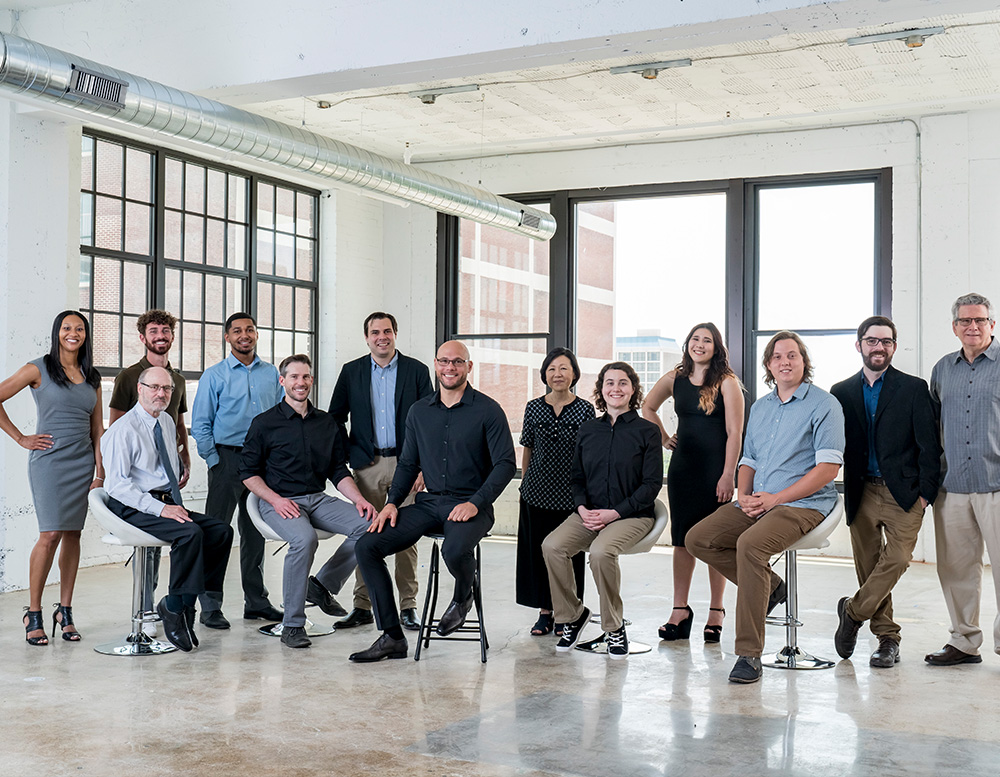
Hexxen brings more than 25 years of development experience to business websites and digital tools. We build and maintain technology around the people who use it and the goals it needs to support.
Table of contents
A website needs more than an appealing front end. Its functionality should make customer actions easier and give the business dependable tools behind the scenes.
Explore Web and Digital Work From Hexxen
What Work Falls Under Web Development?
Web development builds and supports the functionality behind a website. That can include the content management system (CMS), forms, ecommerce features, databases and other connected tools. Web design defines the visual experience, while web development makes that experience function for customers and internal teams.
Nashville businesses may use development to automate manual processes or support online sales. A project might create an entirely new website, add functionality to an existing platform or involve third-party software integration that connects the site with broader business operations.
How Does Web Development Support the Business?
A dependable website foundation supports more than the pages customers see. The way forms and integrations are developed can affect business workflows, while databases and backend systems influence how information moves and remains available over time.
Faster and More Reliable Website Performance
Efficient code and well-planned functionality can reduce loading delays and prevent avoidable barriers. Reliable infrastructure also gives the website a stable environment for handling customer activity.
More Manageable Business Workflows
Development can make the website easier for internal teams to operate. A stable CMS such as WordPress or Drupal gives content managers a predictable structure, while dependable forms and reusable templates reduce unnecessary work.
Improved Stability and Security
A maintainable build makes monitoring and software updates more practical. Continued technical attention can reduce exposure to security vulnerabilities and catch emerging problems before they disrupt important website functions.
Capacity for Future Requirements
The technical foundation should leave room for additional traffic and features and system connections. Flexible development allows the site to change as the Nashville business introduces new services or workflows.
When these elements support one another, web development becomes a practical business resource. It can improve reliability and internal efficiency today while leaving space for future opportunities.

Where Web Development Decisions Go Wrong
Technical problems often begin before anyone writes code. A business may choose a platform or feature without first defining the people, processes and information the website needs to support.
Problems a Finished Website Can Hide
A polished front end does not reveal everything happening underneath it. Development choices can create difficulties for customers and employees while limiting useful reporting or making future improvements more expensive.
Selecting technology before understanding the job
A company may commit to a content management system (CMS), framework, plugin or outside platform before documenting what users and internal teams need to accomplish.
That decision can impose limitations later. Planning should first account for workflows and permissions. Data requirements and necessary integrations also help determine which technology fits.
Stacking temporary fixes on top of one another
Plugins and third-party tools can solve legitimate problems. Too many disconnected additions, however, can slow the website and create a system that becomes difficult to maintain. Common warning signs include:
- Several plugins performing nearly identical tasks
- Functionality breaking after routine updates
- Form submissions reaching the wrong destination
- An administrative dashboard that responds slowly
- Scripts or tracking tools interfering with one another
Building only for the public-facing experience
Customers need a website that works, but employees also need manageable tools behind it. The administrative experience affects how the team handles content and customer information.
When routine publishing or record management becomes difficult, updates may stop happening. Forms can also go unreviewed even when the customer-facing website continues to look finished.
Treating launch as the end of the work
Launching marks the transition to a live website, not the end of its technical needs. Software changes and integrations require attention. Monitoring, backups and continued testing also support reliable operation.
Without a maintenance plan, smaller issues can develop into costly disruptions. A planned response to security patches and hosting changes is more useful than waiting for something important to fail.
What Can Hexxen Build Through Web Development?
Hexxen develops websites and connected tools for Nashville businesses whose requirements extend beyond a standard template. The right solution may involve a custom application or integration. It can also connect several systems behind one customer or employee experience.
- Custom Business Websites: Develop flexible sites with WordPress, PHP, HTML5, JavaScript, ASP.NET, C#, SQL, Laravel and Node.js.
- Purpose-Built Web Tools: Create customer portals and promotional applications alongside tracking systems or other tools designed for a specific workflow.
- APIs and Database Connections: Move information between ecommerce platforms and inventory systems. Development can also connect customer records, product data and outside software.
- Cloud Infrastructure: Support websites and applications through platforms such as AWS, Google Cloud, Firebase and related hosting environments.
Custom development allows the technology to support established business operations instead of making the company reshape its work around platform limitations.

What Keeps Web Development Aligned With Business Goals?
A development strategy should begin with a defined business need. Features and integrations earn their place by improving a workflow or supporting a useful customer action. Technical decisions should serve those objectives rather than becoming goals of their own.
Document the Requirements
Before development starts, the team should understand current business processes and user needs. Technical requirements and expected future changes also help define the project.
Plan the Technical Foundation
The architecture should fit the work the system needs to perform. Frameworks, databases, integrations and the hosting environment can then be selected around reliability and future maintenance.
Test Real Workflows
Testing should follow the ways customers and employees will actually use the finished system. Reviewing features across devices and browsers can reveal technical issues before implementation.
Improve the Website After Launch
Performance data and user feedback can expose new priorities after the website is live. Continued development allows the technology to respond as business requirements and customer behavior change.
A structured process produces technology that remains connected to the reason it was built. The website becomes more dependable and easier to maintain while supporting the objectives established for the project.

Nashville Web Development FAQs
Web development projects vary widely in purpose and scope. These answers explain how development differs from design, what custom work can support, and how projects are priced and scheduled.
How does web development differ from web design?
Web design shapes the appearance and user experience of a website. It addresses layout and branding while also considering navigation and the way people interact with each page.
Web development makes that experience function. The work may involve coding and CMS configuration. It can also include integrations, accessibility updates, performance improvements, ecommerce systems and custom features.
What can development add to an ecommerce website?
Ecommerce web development supports the systems involved in selling products online. It can improve the checkout experience and order management while connecting payment platforms with inventory or customer data. Ecommerce development may involve:
- Shopify development
- Magento or Adobe Commerce development
- Online payment integration
- Custom checkout functionality
- Product database management
- Inventory system integrations
- Ecommerce performance optimization
When is custom software a better fit than a template?
A business may need custom software development when existing platforms cannot support an important workflow or customer experience. Custom development can be used for:
- Marketing websites
- Ecommerce websites
- Content management systems
- Membership websites
- Website redesigns and migrations
- Performance improvements and technical SEO
Which technologies can a web development project use?
A modern project may combine front-end and back-end technologies with a content management system. Hosting services and databases can support the foundation, while APIs and testing tools connect or evaluate the finished experience.
Common options include JavaScript frameworks, CMS platforms such as WordPress and Drupal, cloud infrastructure, ecommerce platforms, analytics tools, CRM connections and device-testing systems.
Can development improve a website that already exists?
Yes. Existing websites may benefit from performance work or a CMS migration. Development can also address ADA compliance improvements, security updates, maintenance needs and connections with outside systems.
A developer may also modernize an older website and simplify its structure. Technical cleanup can resolve recurring problems while making the site easier for internal teams to manage.
What determines the cost of custom web development?
Cost depends on what the finished system needs to do and how much custom work the project requires. Design and content needs can affect the scope. Integrations, testing, hosting and continued support may also contribute to the budget.
A focused website update requires less planning than a large ecommerce build or CRM integration. Corporate websites and major platform modernization projects generally involve more extensive development as well.
What affects a web development timeline?
Project timing reflects the scope and technical complexity of the work. Content and design requirements matter, as do testing needs and the timing of feedback from the business.
Smaller improvements may move quickly. Full redesigns and ecommerce builds need more planning, while CMS migrations and large custom systems create additional dependencies. The development team can establish a realistic schedule after defining the requirements.
Build Web Technology Around What Your Business Needs
Professional web development can help when a website becomes difficult to manage or forces employees through unnecessary manual work. Hexxen evaluates the current technology and develops websites or connected tools around the Nashville company’s operational goals.
A development project may also work alongside digital marketing and technology services such as:
- Web Analytics: Measure how visitors reach and use the website
- Video Production: Add useful demonstrations, explainers or other media to the website experience
- Google Ads Management: Direct paid search traffic toward relevant pages and offers
- Search Engine Optimization: Improve how potential customers discover the website through organic search
- Conversion Rate Optimization: Reduce friction between a website visit and a meaningful customer action
Have questions about web development for your Nashville business? Contact us online or call (314) 499-8253 to discuss your goals with our team.