


A web development agency in Murfreesboro, TN, should provide more than page builds and technical execution.
A website should do more than represent a business online. It should support customer interactions, internal workflows, and future growth through a foundation built to adapt as needs change.
Table of contents
At Hexxen, we connect development with strategy, design, and digital marketing to create websites and digital systems built around how businesses operate and grow. As a web development agency serving Murfreesboro, TN, Hexxen connects those disciplines around the website, systems, and business goals behind the work.
Build a Better Website Foundation
Developing an Agency Partnership to Make Web Worth It
Businesses may seek web development help for specific challenges, from improving digital processes to connecting tools or expanding website capabilities. A valuable agency relationship focuses on more than simply completing the next request.
We start by learning how your business operates, what your customers need, and where your website fits within the larger organization. This broader view helps us focus on the right problems and make technical decisions that support long-term goals.
The right agency partner should:
- Move ideas toward workable solutions based on real users and clear objectives
- Evaluate platforms, functionality, and technical decisions before limitations become larger problems
- Reduce friction between tools by building more connected digital operations
- Develop flexible customer experiences that support changing goals and requirements
The partnership should create value beyond fixing the current problem. The partnership should make future choices easier to understand and act on.

Developing Reliable Websites That Support Growth & Revenue
Modern websites need to do more than explain what a business offers. The website should support business operations through better customer experiences, more efficient internal workflows, and a foundation that can grow over time.
That requires the right combination of functionality, performance, security, and scalability.
Ecommerce Development
Ecommerce development supports both the buying experience and the systems that keep product, payment, order, shipping, tax, inventory, and customer information moving.
The customer-facing experience needs to feel clear and straightforward, but the underlying systems must also handle each transaction accurately.
Website Performance
Website performance cannot be reduced to image compression or visual design alone. Hosting, code quality, caching, plugins, scripts, database activity, and outside services all influence site speed and reliability.
Performance decisions should be based on the parts of the site that matter to users and the business rather than isolated technical benchmarks.
Website Security
Website security planning should consider how the site manages logins, permissions, forms, payments, customer data, updates, backups, and outside platform connections.
Long-term website security requires clear responsibility for maintenance and technical ownership. A website becomes harder to protect when updates are missed, old code remains in place, access is poorly controlled, or maintenance duties are undefined.
Scalability and Future Growth
A scalable website allows the business to add products, locations, users, content, integrations, and new functionality without rebuilding the system every time requirements change.
That does not mean every website needs enterprise infrastructure. The platform and development plan should support realistic growth while remaining practical for the organization managing it.
None of these areas operates entirely on its own. A successful website connects strong customer experiences with efficient internal workflows and the technology behind them.
How Strong Websites Create Business Value
A website adds value by supporting real business needs, not by accumulating more pages, features, or unnecessary complexity. A web development agency in Murfreesboro, TN, should connect technical decisions to the way the business operates and the goals users need to accomplish.
Creates More Opportunities
A website can support purchases, inquiries, bookings, applications, account creation, and other actions tied to business goals.
Clear information, useful navigation, and reliable functionality help users understand the business and complete the next meaningful action.
Removes Friction From Routine Work
Well-planned workflows connect systems and tools so teams spend less time repeating entries, passing information manually, or managing avoidable tasks.
Website value increases when the platform improves internal operations instead of focusing only on what customers see.
Reduces Avoidable Rework and Cost
A stable technical foundation helps limit the cost of urgent fixes, fragile patches, and rebuilding the same functionality again.
A capable web development agency should make it easier to update content, manage important functions, and complete reasonable changes without turning every request into a technical crisis.
Supports Future Requirements
Business requirements change over time. A company may need to support additional markets, services, products, accounts, integrations, or ways for customers to engage.
The right website foundation allows new requirements to fit into the system instead of forcing the organization to start over.
The goal is not to build the biggest website possible. The right website continues helping the business long after launch.

What Our Murfreesboro, TN, Web Development Agency Builds and Improves
Businesses rely on websites for many different functions. Some websites guide users through content, while others handle transactions, secure access, operational workflows, or custom functionality.
Website projects may involve:
- Business websites: Present important business information in a structure that helps users find what they need
- Portals and account-based experiences: Provide authorized users with secure access to private content, tools, and account functions
- Website rebuilds and CMS migrations: Transfer website content and functionality into a platform that is easier to manage
- Custom website functionality: Add custom features that support forms, searches, calculations, workflows, reporting, and other business needs

How Web Development Supports Different Industries
Web development agencies serving Murfreesboro, TN, businesses should plan around the technical, operational, and user requirements of each industry.
Our team supports businesses in several industries, including:
Legal Industry
Law firms need clear practice-area paths, credible attorney information, and intake systems that are easy for clients to use. Effective web design for law firms may also connect intake, secure document handling, and local SEO into a stronger digital strategy.
Home Services
Whether users are calling, requesting pricing, booking service, or dealing with an urgent problem, the website needs to work clearly on desktop and mobile. Well-built home services websites also clarify where the company works before users call, request a quote, or schedule service.
Healthcare
Patients need clear information about care options, providers, locations, and what to do next. Healthcare website development also supports forms, accessibility, and content systems that remain manageable for staff.
Financial Services
Complex financial information needs to stay understandable while the website supports trust, protected communication, and helpful client tools. Financial services websites also need to consider form handling, account security, and the rules that affect how information is presented and managed.
Education
Education websites often serve students, families, staff, and applicants through a single platform. Education websites and digital tools should make events, resources, account access, and ongoing updates easier for staff to manage.
Murfreesboro, TN, Web Development Agency Projects & Case Studies
Completed projects reveal how technical decisions affect the user experience, connected systems, future growth, and long-term maintenance. Explore our case studies to see how our team plans and builds around different requirements, users, systems, and goals.
My website traffic has increased, my business has grown, their agency has far exceeded my expectations
“Hiring a digital advertising, SEO, web development company is a very tough decision. It is a business market where companies can look great online, present well in a meeting and then take your money and outsource everything …”

Christopher Combs
Combs Waterkotte
Building a Digital Platform for Law Firm Growth
Hexxen built Combs Waterkotte a digital platform capable of supporting its growth from a small St. Louis practice into a multi-state law firm with six locations and more than 20 attorneys and staff.
- A scalable website foundation: Hexxen rebuilt the website with clearer intake paths, location-specific experiences, and a structure that could support new markets, attorneys, services, and content.
- Advanced intake systems: Hexxen developed intake systems that collect better information, route leads more effectively, and limit unnecessary handoffs between team members.
- Connected operations and reporting: Connected reporting links lead sources to consultations, signed cases, and revenue while supporting court-data integration within case management.
- AI-assisted intake and communication: Hexxen developed AI agents to support early intake, handle common inquiries, and improve communication throughout the client relationship.
- Continued technical development: Hexxen provides ongoing development for new functionality, connected systems, regional tools, and operational improvements tied to the firm’s expansion.
The work expanded well beyond the original website rebuild. The partnership now includes continued work on technology, intake, reporting, and the infrastructure needed to manage growth.
More Website Development Examples
Different organizations need different development approaches. These projects show how Hexxen builds, improves, and connects websites around practical business goals.
Website Modernization & API Integration
UniGroup Worldwide
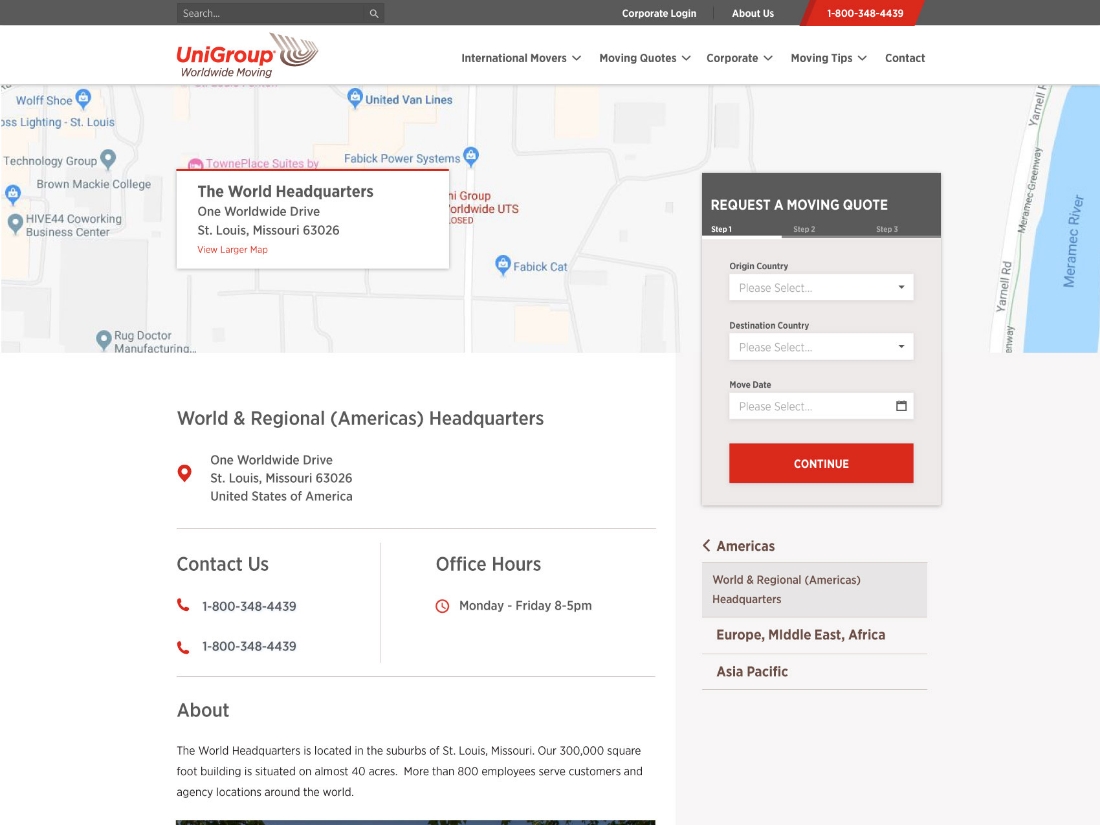
Hexxen rebuilt UniGroup Worldwide's website to modernize outdated technology, improve conversion paths, and build a platform that supports connected services across a global organization.
- Legacy technology modernization: Hexxen replaced deprecated API functionality with a modern system that moved website data more reliably between connected platforms.
- Global system integration: Data synchronization brought UniGroup’s connected services and operational systems into a more unified digital experience.
- Conversion-focused rebuild: Better navigation and clearer user paths made it easier for visitors to connect with UniGroup’s services.

Large-Scale CMS Migration & Catalog Development
John Henry Foster
Hexxen rebuilt John Henry Foster's website to create a cleaner foundation for organizing products, managing content, and supporting how customers search for information.
- Large-scale CMS migration: Hexxen moved more than 1,500 pages and thousands of product listings into a cleaner website structure.
- Product discovery: Hexxen developed custom search features that helped users narrow down products and find relevant information more quickly.
- Internal management: A more manageable CMS reduced friction around normal content changes and product updates.
Ecommerce & Conversion-Focused Development
Shirt.Co
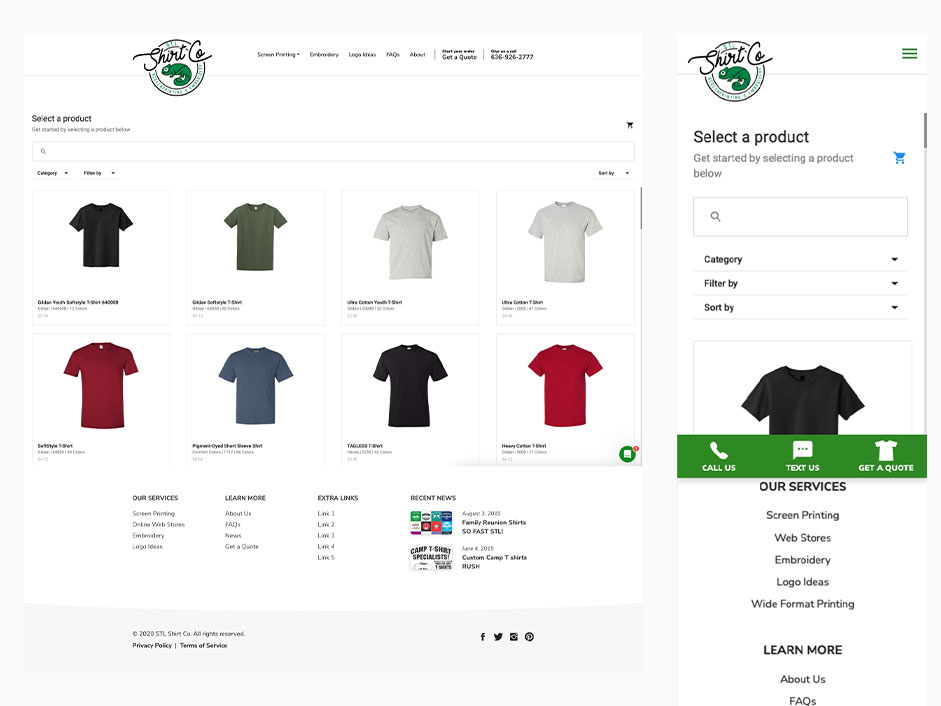
Hexxen developed Shirt.Co's website to create a more connected ecommerce experience around product discovery, customer action, and the company’s continued growth.
- Custom ecommerce experience: The website connected products, services, and customer actions through a more practical ecommerce experience.
- Conversion-focused functionality: Conversion paths were refined so visitors could explore services, request information, and move forward more easily.
- Performance insights: Custom reporting gave Shirt.Co clearer insight into website activity and the results behind its marketing efforts.
Signs of a Web Development Problem
A website may have a development problem when unreliable features, repeated frustrations, and technical limitations become routine. When those issues become part of normal website management, a web development agency in Murfreesboro, TN, may need to look beyond a single page, plugin, or quick fix.
PERFORMANCE & RELIABILITY
The Website Keeps Slowing Down or Failing
Technical problems often appear through smaller failures before the entire system stops working. Pages may load inconsistently, layouts may shift, important features may fail only for certain users, and the general user experience is busted.
Common performance and reliability problems include:
- Forms that do not submit reliably or deliver the right notifications
- Menus, buttons, layouts, and interactive tools that fail on specific browsers or devices
- Lag created by heavy media, external services, conflicting software, or code that performs unnecessary work
- Errors that return after appearing to be fixed by an update, restart, or manual adjustment
Recurring errors often suggest that the problem extends beyond the individual page or feature that keeps failing.
CONTENT MANAGEMENT
Routine Website Changes Are Harder Than They Should Be
Staff should not need development assistance every time a service changes, a team member joins, a page requires a basic update, or content writing becomes difficult to manage. Inaccurate KPI reporting may also point to a website or tracking setup that no longer serves the team responsible for maintaining it.
The cause may involve inconsistent templates, a cluttered CMS, limited permissions, hard-coded content, or page structures that were never designed for routine changes.
A manageable website gives the right people control over normal updates without exposing the entire system to accidental damage.
TECHNICAL DEBT
Temporary Fixes Have Become the Website’s Structure
Short-term fixes can keep the website moving, but plugins, snippets, patches, and manual processes often stack on top of each other. The result is a website where ownership becomes unclear, updates feel risky, and similar features behave differently across the site.
Typical signs include:
- Overlapping functionality across plugins, scripts, or custom features
- Legacy plugins or custom development with unclear support
- Code and workflows that nobody else fully understands
- Software updates that create recurring problems
- New requests that depend on another workaround
Technical debt makes future development harder because every change has to account for the layers already holding the website together.

Why Would a Business Need a Web Development Agency?
A web development agency becomes valuable when the business needs to create new functionality, improve current systems, connect tools, or make better technical decisions.
Businesses often need support with:
Your business goals are blocked by your current technology
A digital system should fit the way your organization operates. When the website, platform, or surrounding tools create limitations instead of solving problems, development expertise can identify what needs to change.
This may involve outdated platforms, disconnected systems, duplicate data entry, manual processes, or infrastructure that cannot support the next feature, integration, service, or workflow. As organizations grow, their digital infrastructure often has to evolve with them.
You have a digital project that requires outside expertise
Certain website and technology projects exceed the available experience, time, or capacity of an internal team. A web development agency can evaluate the requirements, choose the right approach, and guide the work through launch.
This may include a new website, a rebuild, ecommerce functionality, system integrations, custom software, performance improvements, CMS migrations, or other specialized development work.
You need clarity before making a technology investment
Several technology choices may appear viable, but the business may still need guidance before selecting a direction. Technical guidance helps the business review its options and understand the tradeoffs before committing resources to the wrong approach.
A new platform or feature only matters when it supports a real business need. The goal is to choose systems that improve operations, support users, and fit the organization’s larger priorities.
A business may need a web development agency in Murfreesboro, TN, when the current setup creates extra work, limits future options, or forces people to work around what the technology cannot do.

What to Expect From a Web Development Agency
Practical ideas, reliable implementation.
A capable web development agency working with Murfreesboro, TN, businesses considers the larger project instead of focusing only on code. Good development decisions account for business objectives, current technology, and the services needed to connect the larger project.
- Web design shapes how the website looks, feels, and guides users before development turns those decisions into working pages.
- Application development may be needed when the project includes portals, dashboards, specialized workflows, or functionality a standard website cannot support.
- Search engine optimization can influence technical architecture, page relationships, redirects, site performance, and the structure of content across the website.
Project scope, access, ownership, testing, launch responsibilities, and post-launch expectations should be clear before they become problems.
How Front-End, Back-End, & API Development Work Together
A website works as one connected system. The front end creates the pages and interactions users experience, the back end manages data and functionality, and APIs move information between the website and connected systems.
Front-End Development
Web design sets the structure, interface direction, and experience the website is meant to provide. Front-end development builds the visible experience people use, from page layouts and navigation to forms and interactive elements.
The front-end experience should support:
- Content structures and navigation that help users find what they need
- Consistent functionality across mobile, tablet, and desktop experiences
- Reliable forms and features that help users take meaningful action
- Accessibility considerations that support a more usable experience across a wider audience
Back-End Development
Back-end development gives the website the systems and functionality needed to manage data, permissions, and business processes.
Typical back-end responsibilities include:
- Data systems supporting users, products, customer records, content, and orders
- Custom software designed for unique business processes and operational needs
- Tools that help staff manage content, users, and administrative tasks
- Portals, administrative dashboards, web applications, and organization-specific tools
APIs & Integrations
Most modern websites depend on other systems and platforms. API development links the website with surrounding software such as CRMs, payment platforms, databases, ecommerce systems, scheduling tools, and reporting technology.
These connections reduce duplicate entry, move information between platforms, and fit the website into existing workflows instead of creating another disconnected system.
The three areas should not be planned in isolation. The interface may look finished while unreliable systems prevent users from completing important actions. Reliable back-end systems still create friction when users cannot navigate them. Integrations only work as intended when the website can receive, process, and present the information reliably.
Web Development Agency FAQs
These common questions can help businesses evaluate a web development agency in Murfreesboro, TN:
What does a web development agency in Murfreesboro, TN, actually do?
A web development agency plans, builds, improves, and maintains the technology behind a website.
A capable agency helps define the real requirement before deciding what technology or functionality to build. Development is more useful when technical decisions align with real users, internal workflows, and future requirements instead of adding features without a clear purpose.
How much does web development cost in Murfreesboro, TN?
Web development pricing changes based on what the website needs to support and how complex the project becomes. Several factors can influence the cost:
- The size of the build and the structure required to support it
- Online transactions, specialized features, and software connections
- Content development, platform migration, design, and backend management needs
- Planning, technical execution, review cycles, and launch responsibilities
A development partner should clarify the requirements, review the available options, and build a realistic scope before providing an estimate.
How long does a website development project take in Murfreesboro, TN?
The timeline depends on the size of the website, the complexity of its functionality, the number of integrations, content readiness, review cycles, and testing requirements.
A smaller website may move quickly, while an ecommerce build, custom platform, or system with multiple integrations may require more planning and development time. The agency should define the main requirements, responsibilities, and project stages before setting a firm schedule.
Can a web development agency in Murfreesboro, TN, improve my existing website?
An existing website may need targeted development rather than a complete replacement. That work may include:
- Correcting features that no longer work consistently
- Optimizing performance while improving security and content management
- Connecting outside platforms and business tools
- Adding features the current website does not support
A rebuild may be more practical when the existing structure blocks important requirements, relies on fragile technology, or costs more to keep patching than to replace.
What separates web design from web development?
Web design concentrates on the visible experience, including page organization, navigation, visual communication, and usability. Web development handles the code, data, functionality, integrations, and technical processes behind it.
The finished website depends on both areas supporting the same goals. Design guides how people use the site, while development makes those experiences reliable across browsers, devices, content types, and user actions.
What happens after the website launches?
Post-launch needs vary according to the website and the agreement with the development agency. Common responsibilities may include:
- Routine content and software updates
- Performance oversight, security maintenance, and backup planning
- Website hosting, issue resolution, and system maintenance
- Evaluating and building future website updates
Those responsibilities should be clear before launch. Clear ownership helps the business understand who controls accounts, who provides support, and how new requests will be scoped and completed.
Partner With the Right Murfreesboro, TN, Web Development Agency, Not the "IT Guy"
Our team helps businesses build and improve websites with the technology, functionality, and flexibility required to support how the organization operates.
Our approach combines:
- The right website foundation starts with clear technical direction across platforms, functionality, and implementation.
- Defining responsibilities from the beginning gives the project better accountability and direction.
- Websites should be built for ongoing management, improvement, and expansion.
Depending on the project, our development services may also include:
Working with our Murfreesboro, TN, web development agency gives your business more than a finished site. The project creates a dependable foundation for future requirements, improvements, and growth.
Start the conversation by contacting us or calling (314) 499-8253.