
For a Portland, OR business, website design is not only about what customers see on the screen. The site also has to work with the processes your team relies on to market the business, manage leads, serve customers, and keep things moving behind the scenes.
A sharp-looking site is only useful if the machinery underneath it works. If visitors get lost, analytics miss important activity, content leaves questions unanswered, or leads disappear after submitting a form, the design has not solved the real problem.
A Portland, OR website design company should be able to explain what the site is supposed to do before spending much time deciding how it will look.
Table of contents
Over the past 25+ years, Hexxen has built and improved websites for Portland, OR companies with different business models, customer journeys, internal processes, and long-term goals.
What Does a Business Website Need to Accomplish?
Different businesses attract people with very different priorities. Someone researching a manufacturer may be hunting for a particular specification or technical drawing. A visitor to a law firm could be under pressure and want an attorney on the phone as soon as possible. A shopper on an ecommerce site wants to locate the right item, make a decision, and check out without getting sidetracked.
Still, most strong websites handle four basic jobs.
1. Explain the offer quickly.
Visitors should be able to quickly understand what you do, whether it is relevant to them, and where they should go next, without having to dig through vague messaging or unnecessary content.
2. Give people a reason to trust the business.
Proof looks different from one industry to another. For some companies, a strong project portfolio carries the most weight. For others, reviews, certifications, staff expertise, detailed product information, or useful educational content may do more to earn confidence.
3. Guide different users toward the right information.
People enter a business website with their own agenda. Someone comparing vendors needs different information from a customer looking for help or a candidate researching an open position. Each should have a clear route to what they came for.
4. Create a useful next step.
Interest only helps the business if people can act on it. Calls, forms, purchases, applications, downloads, appointments, dealer searches, account logins, and sales conversations can all be useful outcomes. The page should point naturally toward whichever one makes sense.
How Portland, OR Website Needs Change by Business Model
A strong website still needs clarity, trust, and usability, but how those things are delivered depends heavily on what the business expects the site to do.
Calls, forms, and appointments
Lead Generation Websites
A lead generation website should reduce uncertainty before asking for the conversion. Potential customers need to understand the service, see evidence that the company can deliver, and know exactly how to start a conversation.
Products, carts, and repeat buyers
Ecommerce Websites
Product organization, filters, inventory, payment, shipping, customer accounts, and order updates all affect whether the site is easy to use. The product page is important, but the rest of the buying process has to work just as well.
Longer research and buying cycles
B2B and Industrial Websites
The sales cycle on a B2B website may stretch across multiple visits and multiple people. The site should make it easy to verify technical fit, understand capabilities, review relevant experience, and find additional information before anyone is ready to request pricing.
Multiple audiences and systems
Enterprise and Custom Platforms
Enterprise websites often sit in the middle of several systems at once. Global content, integrations, APIs, user permissions, portals, complex forms, and internal requirements can make the project as much about operations and software as design.

Portland, OR Website Design Services That Work Together
A website does not benefit from strong design if the content, development, SEO, strategy, and tracking are pulling in different directions. Hexxen coordinates those parts around what the completed site needs to do.
Website Strategy and Architecture
We map the website around business goals and user needs before visual decisions take over. That includes the audience, site structure, navigation, page roles, and the paths visitors follow toward a useful next step.
- Discovery, competitive review, and audience planning
- Page architecture, user flows, sitemaps, and conversion planning
- Content needs, functionality, and integration requirements
UX, UI, and Visual Design
Layouts, navigation, typography, imagery, and interactive elements are designed around the information users need and the actions they need to take. Mobile layouts are planned from the beginning rather than adapted after the desktop version is finished.
- Page wireframes and high-fidelity mockups
- Responsive interfaces and reusable design systems
- Accessible interfaces informed by established W3C accessibility guidance
Website Content and Search Foundations
A page should not exist simply because a keyword exists. We plan content around search demand, customer questions, and the information your Portland, OR business needs to communicate, then strengthen those pages with relevant proof such as reviews, examples, credentials, or pricing information.
- Core messaging, service content, product copy, and calls to action
- Search-conscious URLs, page headings, metadata, schema, and internal organization
- Content structured for search engines and AI-assisted discovery
Web Development and Integrations
After design approval, Hexxen turns the layouts into a working website and connects the systems required to support it. Depending on the project, that may involve custom front-end work, content management, ecommerce functionality, APIs, forms, or integrations with other platforms.
- Custom-built functionality and manageable content systems
- CRM, ERP, payment, inventory, map, portal, and API connections
- Secure forms, lead routing, user accounts, and custom functionality
Testing, Performance, and Launch
Before launch, we test the website across different devices and browsers and check forms, redirects, analytics, accessibility, search settings, and any connected systems.
- Testing across browsers, devices, and screen sizes
- Website performance work guided by Google’s Core Web Vitals guidance
- Redirects, search indexing checks, analytics setup, and launch support
SEO and Digital Marketing Integration
Your website becomes the destination for traffic from SEO, paid advertising, email, social media, content marketing, and other channels. Hexxen plans for those uses so a Portland, OR campaign can send visitors to the page, offer, form, or action that actually fits the message.
- Search-ready service pages, geographic pages, resources, and campaign landing pages
- Campaign-specific conversion paths, forms, calls to action, and lead tracking
- Tracking that connects on-site behavior with campaign and marketing results
Portland, OR Website Design for Different Kinds of Growth
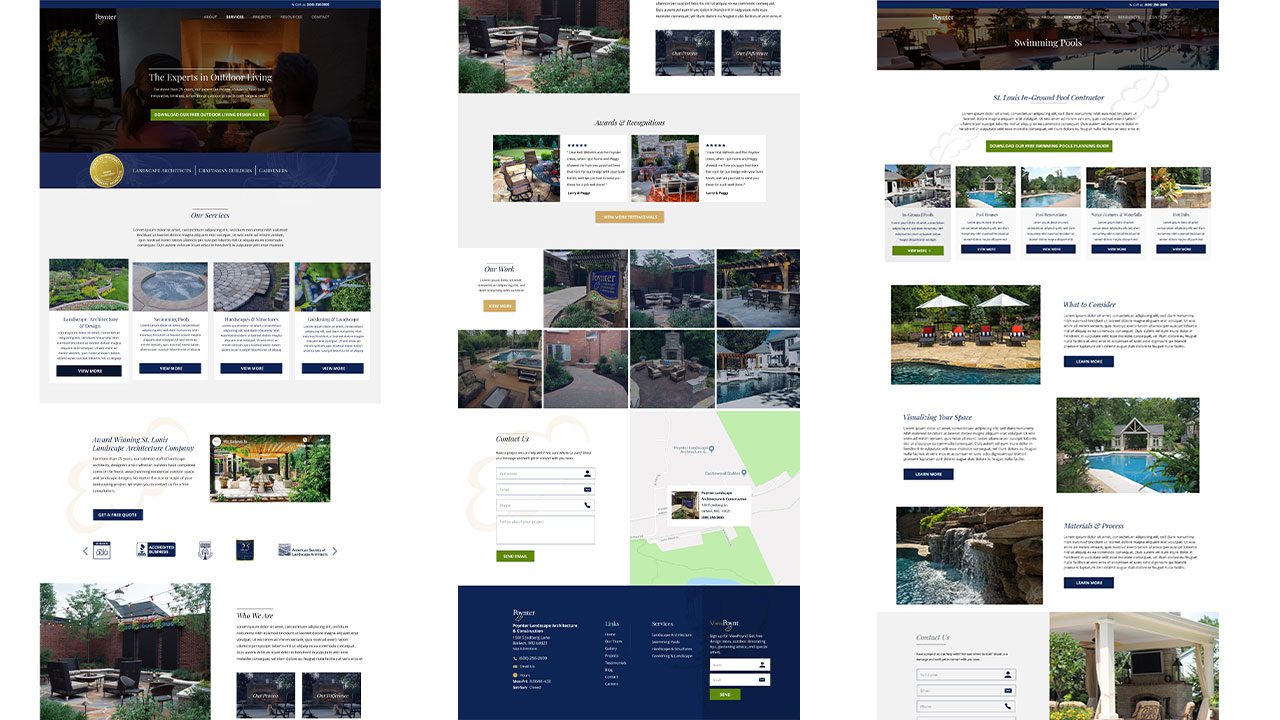
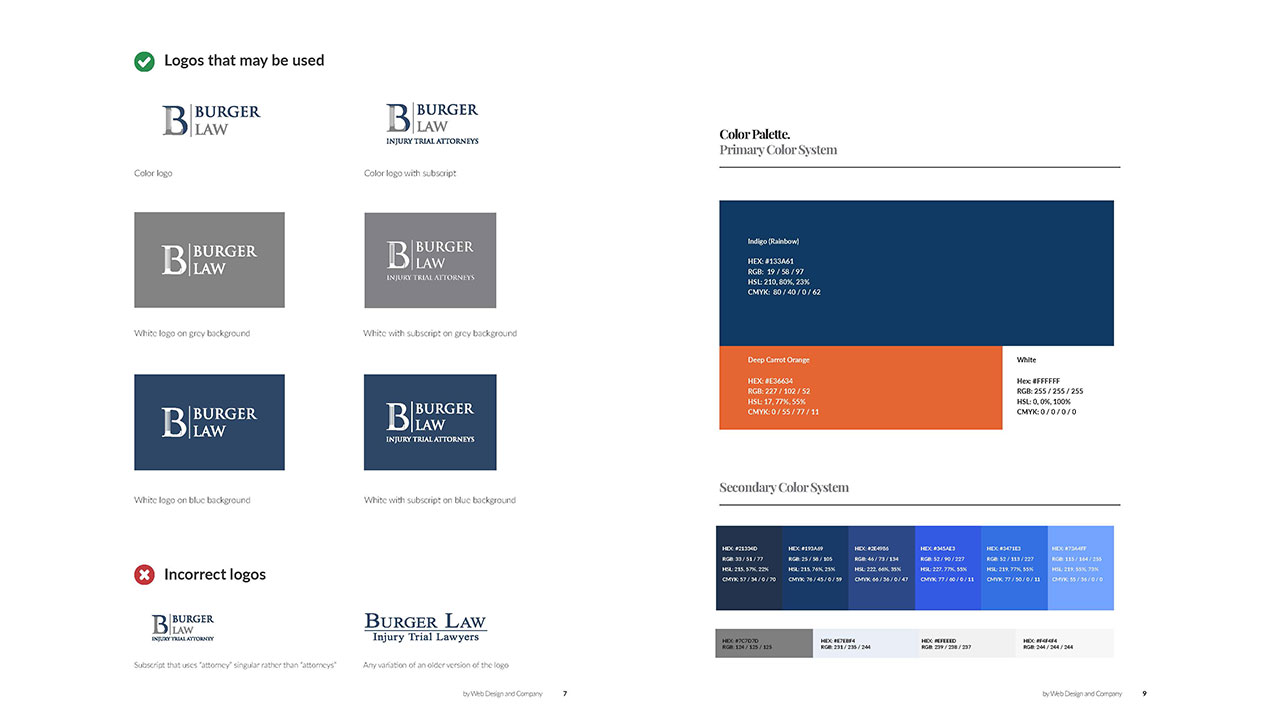
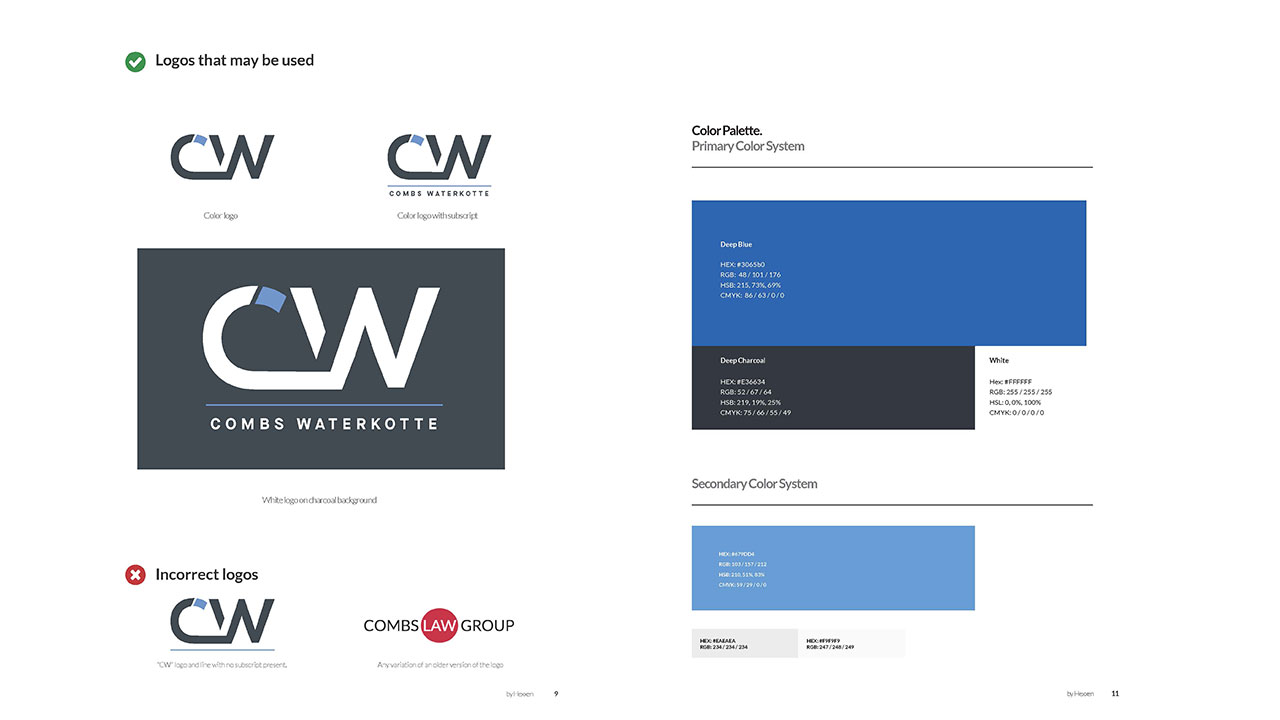
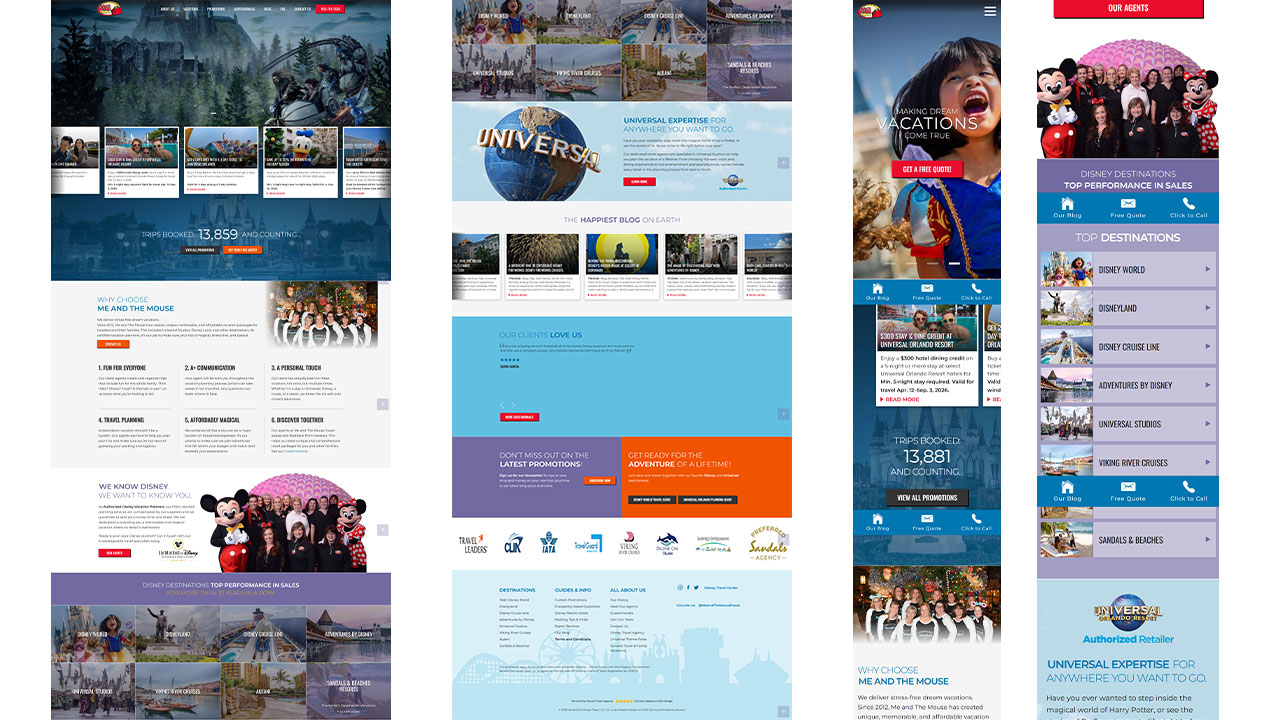
Good website design does not produce the same answer for every client. These projects needed four very different answers.
Retail, ecommerce, and lead generation
Shirt.Co
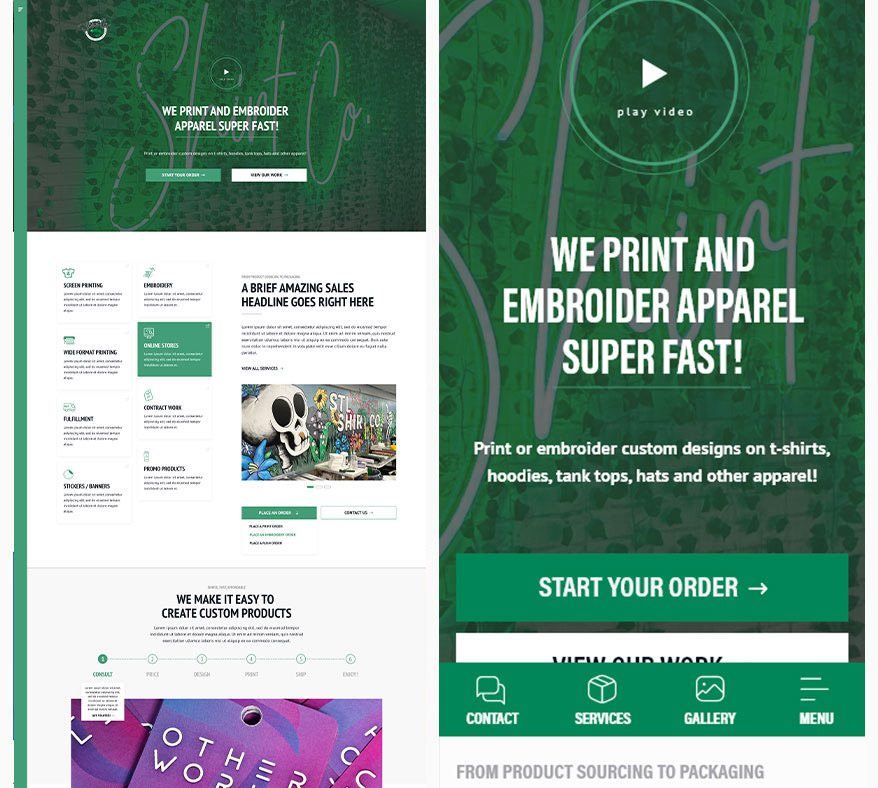
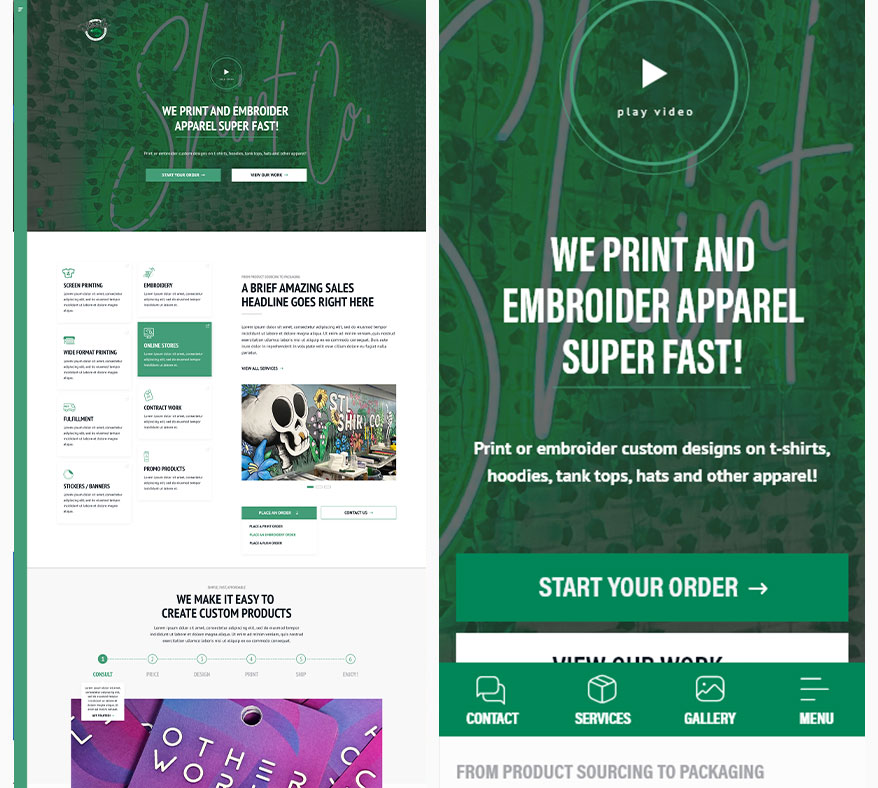
Shirt.Co gives customers several ways to create and order branded products, including custom apparel, promotional items, merchandise programs, online stores, and different production methods. The website needed to help people sort through those choices without making the process feel complicated.
Hexxen simplified the way services were presented, gave the brand a stronger visual identity, and made products and quote requests easier to reach. Supported by SEO, paid campaigns, and reporting, the broader strategy helped move quote volume from about one or two per week to 15 to 20 per day.
A searchable portfolio and sales tool
Counsilman-Hunsaker
Counsilman-Hunsaker needed its large project history to function as more than a gallery. Prospective clients had to be able to sort through more than 1,500 aquatic projects and find relevant experience quickly.
The finished site allows users to search Counsilman-Hunsaker’s work by the criteria that actually matter to a buyer, including project type, industry sector, service, and location. Hexxen also added an interactive map so the company’s long project history could support real sales conversations instead of simply sitting in a portfolio.

Ready to Build the Website Your Portland, OR Business Needs Next?
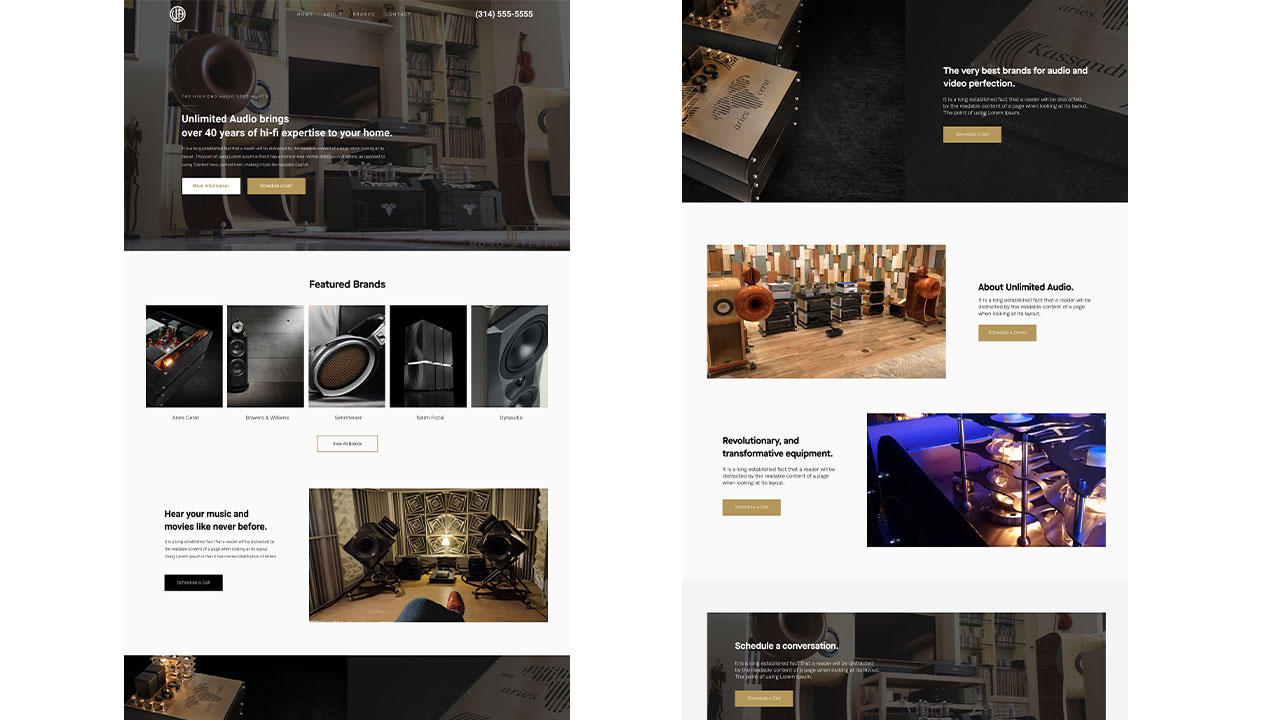
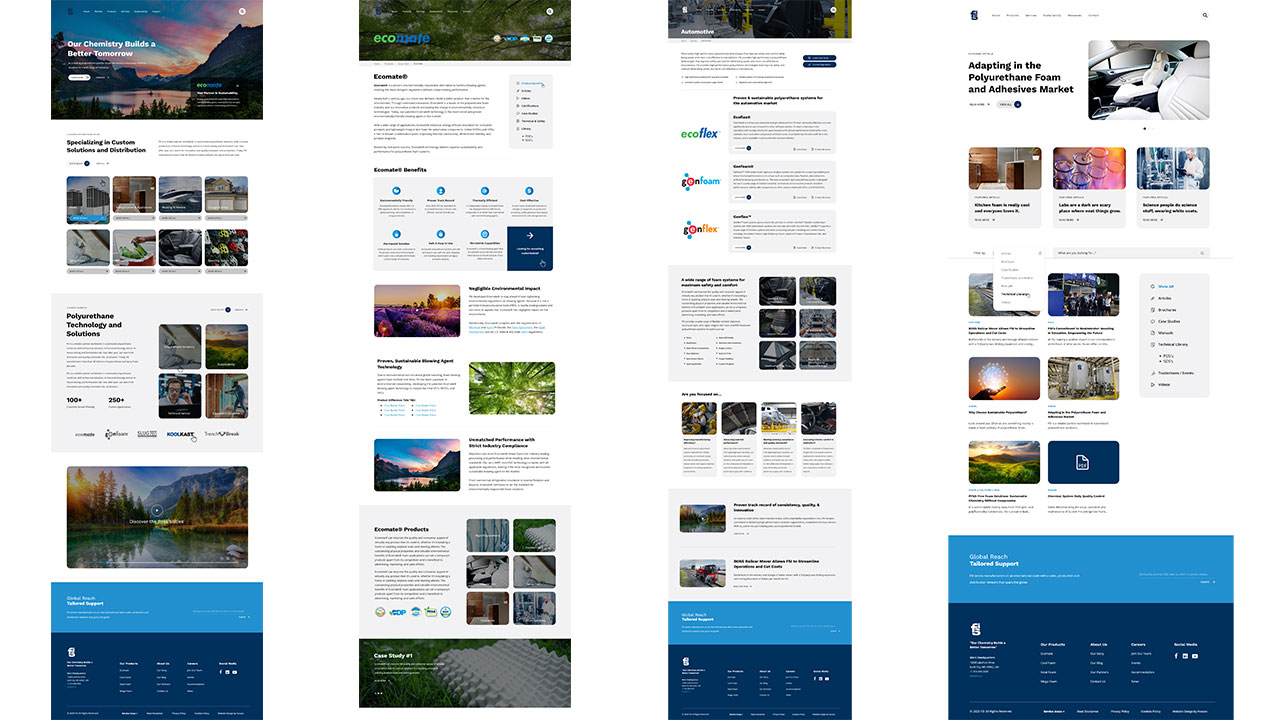
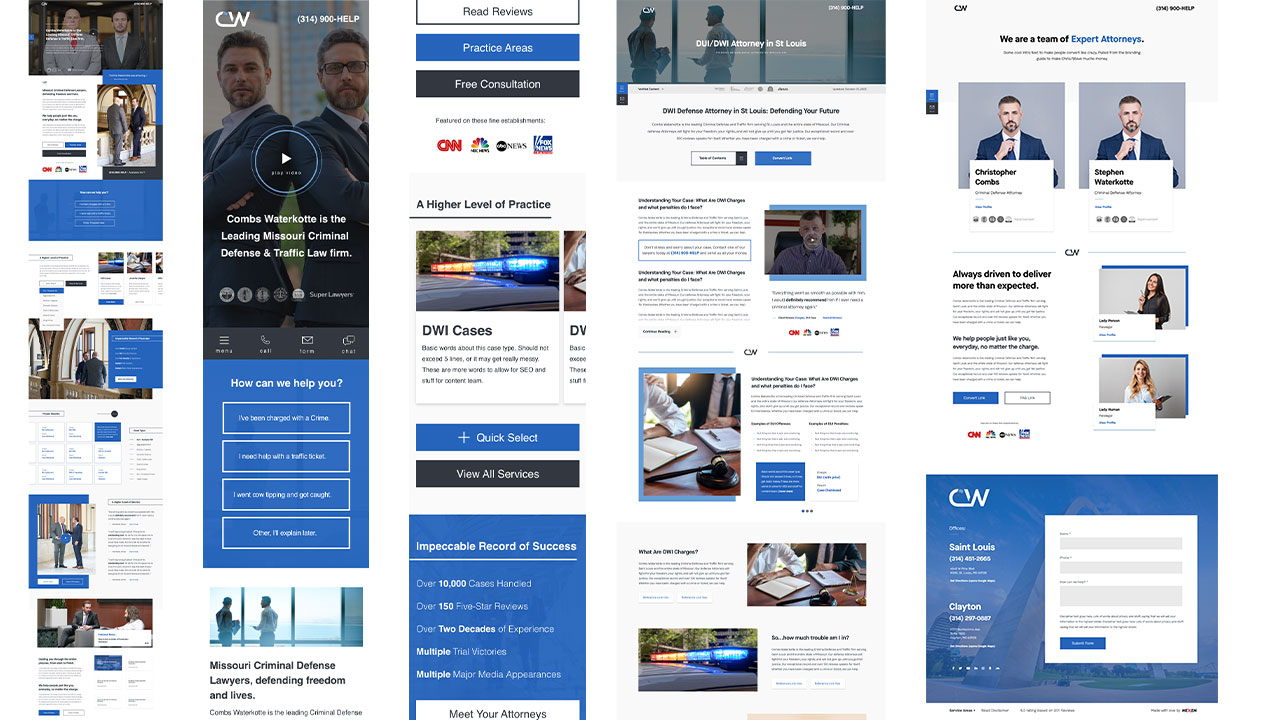
Your website touches more than design. Hexxen coordinates strategy, content, development, SEO, and marketing so each piece supports what your Portland, OR business is trying to accomplish.
How Hexxen Builds a Website in Portland, OR
There are too many interconnected decisions in a website project to disappear for three months and unveil the finished product at the end. We review the sitemap, content, designs, and working site in stages while there is still time to make smart adjustments.
1. Discovery and Research
We dig into how people use the current website and how the business works behind it. That includes revenue drivers, audiences, technology, recurring problems, and what needs to be different once the new site is live.
2. Sitemap, Content, and Technical Planning
The page structure, user paths, content responsibilities, features, integrations, redirect needs, and measurement plan are defined before development starts absorbing expensive changes.
3. Content and Design
Writers and designers build the message and visual system together. Key pages are mocked up with enough real content to test hierarchy, pacing, proof, and calls to action.
4. Development and Integration
Development happens with checkpoints too. As pages, content, forms, and integrations come online, the team reviews them in the functioning website and can make adjustments before small issues become expensive rewrites.
5. Testing, Launch, and Improvement
Before launch, we test the working site, finalize redirects, verify tracking, and make sure the important pieces are behaving correctly. After it goes live, actual visitor behavior shows us where there may still be room to improve.
Portland, OR Website Design Company FAQs
How much does a custom website cost?
Two websites with the same page count can have very different costs. Content production, design complexity, integrations, ecommerce features, custom development, migration work, and problems inherited from the existing site can change the scope considerably.
A clear proposal should connect the budget to the work. Page volume, custom functionality, integrations, content, and technical complexity can move a project into an entirely different category, which is why simple and complex sites should not be priced as though they are interchangeable.
How long does it take to design and build a website?
Website schedules can vary widely, but custom work is generally measured in months. The more content, functionality, integrations, ecommerce features, languages, and stakeholders involved, the more stages there are to complete and review.
Some of the biggest schedule changes happen outside development. Content decisions, client review, photo production, data cleanup, and third-party access often determine how quickly the next stage can begin.
Can Hexxen redesign an existing website?
Yes. Existing websites often contain a mix of useful assets and accumulated problems. We can audit the structure, content, search performance, analytics, integrations, design, and technology before building the redesign around what is worth preserving.
Can Hexxen write the website content?
Yes. Our Portland, OR content team can plan and write core pages, service or product content, industry and location pages, calls to action, case studies, FAQs, and supporting resources. Content planning happens alongside design so the final layouts are built for the message they need to carry.
Is SEO included in website design?
Yes, the website should be planned with search in mind from the beginning. Navigation, architecture, URLs, content, metadata, redirects, mobile usability, performance, schema, and launch settings can all affect how well search engines understand and access the site.
The design project should leave you with a website that is technically and structurally prepared for search. Continued SEO is how that foundation grows over time through content development, technical refinement, authority, local visibility, measurement, and new opportunities.
Will the website work on phones and tablets?
Yes. Phones and tablets are accounted for during design and testing, not checked as an afterthought. The layout, navigation, touch targets, forms, media, content hierarchy, and important actions all need to remain usable at smaller sizes.
Can the website connect to our CRM, ERP, inventory, payment, or other systems?
Yes. Websites can exchange information with many of the systems your team already uses. Hexxen builds integrations for CRM and ERP platforms, ecommerce, payments, inventory, maps, portals, forms, and custom applications, subject to the API access and technical limitations of those platforms.
Does Hexxen provide hosting, maintenance, and website support in Portland, OR?
Yes. Launch does not have to mean handing the website off and disappearing. Hexxen can provide ongoing Portland, OR website support covering hosting, maintenance, security, development, content changes, performance, analytics, SEO, and future improvements.
Build a Website With a Clear Job for Your Portland, OR Business
Hexxen creates websites that reflect the way your Portland, OR company operates in the real world, including how it reaches customers, explains what it offers, manages inquiries, and grows over time.
The project can start wherever your Portland, OR business is today: an old website that needs replacing, a sitemap that has grown out of control, a new brand, a technical integration, or a concept that still needs direction. We help shape those pieces into a website customers can navigate and your team can rely on.