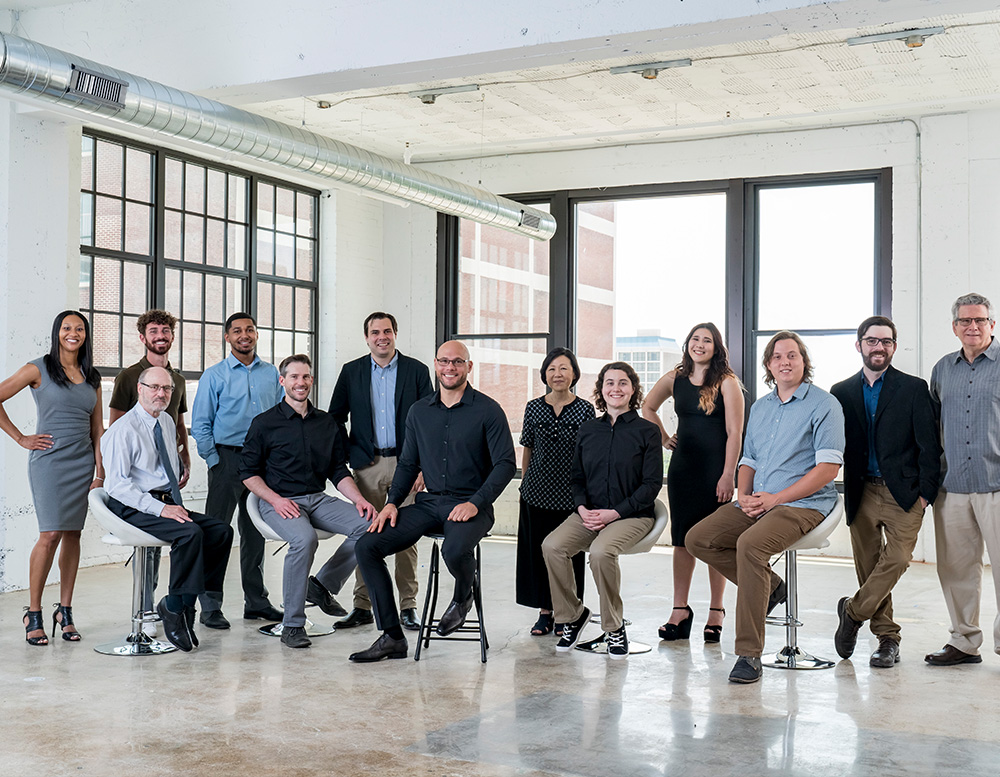




Working with a web development agency in Springfield, MO, involves more than hiring someone to build pages and write code.
Businesses rely on their websites for more than visibility. The right development approach creates a platform that supports better experiences, connected tools, and long-term adaptability.
Table of contents
Rather than treating websites, marketing, and technology as separate pieces, Hexxen combines development, strategy, design, and digital marketing into a more connected approach. This helps businesses create better experiences and stronger digital infrastructure. Our work as a web development agency for Springfield, MO, businesses connects strategy and execution around what the organization actually needs the website to do.
Build a Better Website Foundation
Developing an Agency Partnership to Make Web Worth It
Businesses need web development agencies for more than isolated fixes. The right partner helps improve technology, support operations, and build a foundation that can adapt as business needs change.
Our team works to understand your goals, current systems, customers, and the role the website plays within the larger organization. With that context, we can solve immediate issues while building toward future growth.
A proactive web development partner should:
- Move ideas toward workable solutions based on real users and clear objectives
- Assess available platforms, features, and technical choices before they create larger constraints
- Connect systems and tools so digital operations work more efficiently
- Create digital experiences that can grow with new customer and business requirements
The partnership should create value beyond fixing the current problem. The partnership should make future choices easier to understand and act on.

Developing Reliable Websites That Support Growth & Revenue
A business website should provide more than information alone. The website should strengthen customer experiences and internal operations while giving future requirements somewhere to go.
The right approach brings functionality, performance, security, and scalability into the same development plan.
Ecommerce Development
Ecommerce development connects the storefront with the systems responsible for products, payments, inventory, orders, shipping, taxes, and customer accounts.
Ecommerce works best when the storefront guides customers clearly and the development behind it moves the right information through every step of the purchase.
Website Performance
Website performance cannot be reduced to image compression or visual design alone. Code quality, hosting, caching, database activity, plugins, scripts, and third-party services can all affect how quickly and reliably the site responds.
Performance improvements should prioritize the pages and functions users rely on rather than treating technical scores as the only goal.
Website Security
Strong security planning looks at the full system, including access, permissions, forms, transactions, customer information, software maintenance, backups, and outside connections.
Long-term website security requires clear responsibility for maintenance and technical ownership. Outdated plugins, abandoned code, weak access controls, and unclear responsibility can create risks long after the original build is complete.
Scalability and Future Growth
A scalable website allows the business to add products, locations, users, content, integrations, and new functionality without rebuilding the system every time requirements change.
The goal is not to give every website an enterprise-scale foundation. It means choosing a platform, architecture, and development approach that fit the website’s realistic future requirements.
None of these areas operates entirely on its own. Successful development balances the visible customer experience with the internal processes and technology that keep it working.
How Better Websites Support Business Value
Business value comes from what a website helps the organization accomplish, not from how large or technically complicated it becomes. A web development agency serving Springfield, MO, should shape the website around business operations and the tasks users need to complete.
Supports More Valuable Actions
A website can support purchases, inquiries, bookings, applications, account creation, and other actions tied to business goals.
The right people are more likely to take action when the website clearly presents the offer and gives them a dependable path forward.
Reduces Operational Friction
When systems, administrative tools, and workflows work together, the business can reduce repeated work and unnecessary staff involvement.
A website adds more value when it improves internal work as well as the customer-facing experience.
Reduces Avoidable Rework and Cost
Well-planned infrastructure reduces the time and money lost to technical emergencies, short-term patches, and recurring rebuilds.
The right web development agency makes routine updates and reasonable changes easier to complete without putting the entire website at risk.
Supports Future Requirements
A website needs to account for changing business needs. The website may eventually need to handle new offerings, audiences, integrations, users, and customer-facing functionality.
A flexible website gives future products, services, users, and integrations a place to grow without rebuilding the entire platform.
The most valuable website is not necessarily the largest or most advanced. Reliable technology that supports the business over time delivers the greatest value.

What Our Springfield, MO, Web Development Agency Builds and Improves
Websites are built to do different jobs. Some primarily organize information, while others manage transactions, user access, internal workflows, or specialized functionality.
Depending on the business, that work may include:
- Business websites: Create clear paths through service information, company details, and areas of expertise
- Portals and account-based experiences: Create protected spaces where specific users can view information, use tools, and complete actions
- Website rebuilds and CMS migrations: Replace outdated systems with a cleaner platform for managing content and functionality
- Custom website functionality: Build the features a standard website may not support, including calculators, forms, search tools, dashboards, and custom workflows

Web Development for Different Industries
Different industries place different demands on how a web development agency in Springfield, MO, builds and manages websites.
Our team supports businesses in several industries, including:
Legal Industry
Law firms need well-structured practice-area content, attorney credibility, and intake systems designed to simplify the first contact. Effective web design for law firms often combines client intake, secure document management, and competitive positioning through local SEO.
Home Services
Across desktop and mobile, users need clear paths for calls, estimates, scheduling, and time-sensitive service requests. Well-built home services websites also make service-area information clear before users take the next step.
Healthcare
Complex healthcare information needs to be organized so patients can understand services, providers, locations, and available next steps. Healthcare website development also accounts for forms, accessibility, and practical content management.
Manufacturing
Buyers need practical ways to understand capabilities, product information, technical documents, and quoting options regardless of how familiar they are with the subject. Manufacturing website development organizes that information so buyers can find what matters without working through unnecessary complexity.
Franchises
Managing a franchise network requires digital systems that support both the brand as a whole and the locations customers actually interact with. Franchise website development supports multi-location growth by keeping branding, technology, and location-specific content organized.
Springfield, MO, Web Development Agency Projects & Case Studies
Case studies make it easier to see how development decisions shape functionality, integrations, usability, and the way a website is managed over time. Explore our case studies for examples of how Hexxen handles different development needs, systems, and organizational priorities.
My website traffic has increased, my business has grown, their agency has far exceeded my expectations
“Hiring a digital advertising, SEO, web development company is a very tough decision. It is a business market where companies can look great online, present well in a meeting and then take your money and outsource everything …”

Christopher Combs
Combs Waterkotte
Building a Digital Platform for Law Firm Growth
Hexxen built Combs Waterkotte a platform designed to support the firm's growth from a small St. Louis practice into a multi-state organization with six locations and more than 20 attorneys and staff.
- A scalable website foundation: The rebuilt website created stronger intake paths, tailored location experiences, and a flexible structure for expanding markets, attorney profiles, services, and content.
- Advanced intake systems: The firm uses custom forms and workflows to qualify inquiries, move leads to the right people, and gather useful information earlier in the process.
- Connected operations and reporting: Lead sources, consultations, signed matters, and revenue were connected through reporting systems that also integrate court information with case management.
- AI-assisted intake and communication: Hexxen built AI agents that assist with intake, answer common questions, and support communication with prospective and current clients.
- Continued technical development: The relationship includes continued work on functionality, integrations, market-specific tools, and workflows as new needs emerge.
The project became more than a one-time website rebuild. Hexxen continues to develop the technology, intake systems, reporting, and digital infrastructure Combs Waterkotte uses to enter new markets and manage growth.
More Website Development Examples
The right development approach depends on what the organization needs the website to do. The following examples show how Hexxen adapts website development to different requirements and organizational priorities.
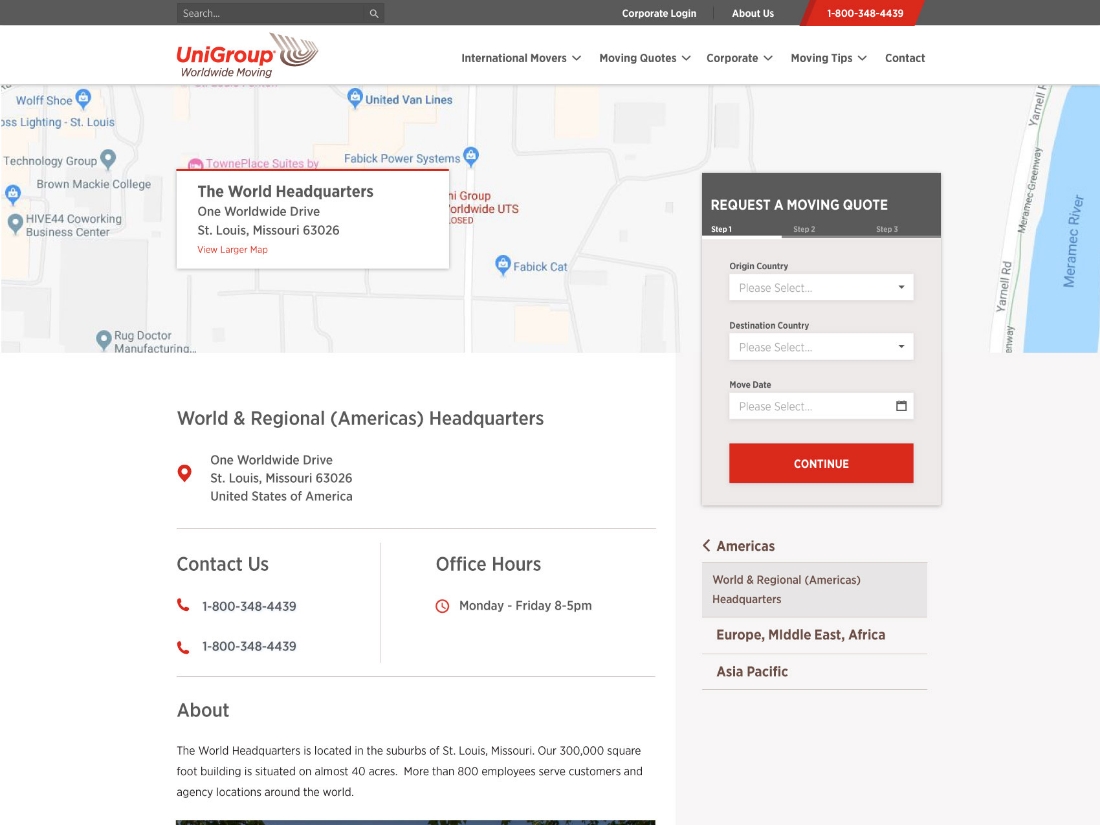
Website Modernization & API Integration
UniGroup Worldwide
Hexxen rebuilt UniGroup Worldwide's website to move beyond outdated technology and build a connected digital platform that supports conversions, services, and operations across the organization.
- Legacy technology modernization: Deprecated API functionality was replaced with a modern system that improved how website data moved between connected platforms.
- Global system integration: API data was synchronized across UniGroup’s network of services and operations, creating a more connected digital experience.
- Conversion-focused rebuild: The redesigned experience improved how users navigate the website, understand services, and take meaningful action.

Large-Scale CMS Migration & Catalog Development
John Henry Foster
Hexxen rebuilt John Henry Foster's website to create a stronger digital platform for a manufacturing company managing complex product information and user needs.
- Large-scale CMS migration: More than 1,500 website pages and thousands of products were migrated into a platform built for easier organization and management.
- Product discovery: Custom functionality, including location-based search, helped users find relevant information faster.
- Internal management: A practical administrative structure made it easier for staff to manage content and keep product information current.
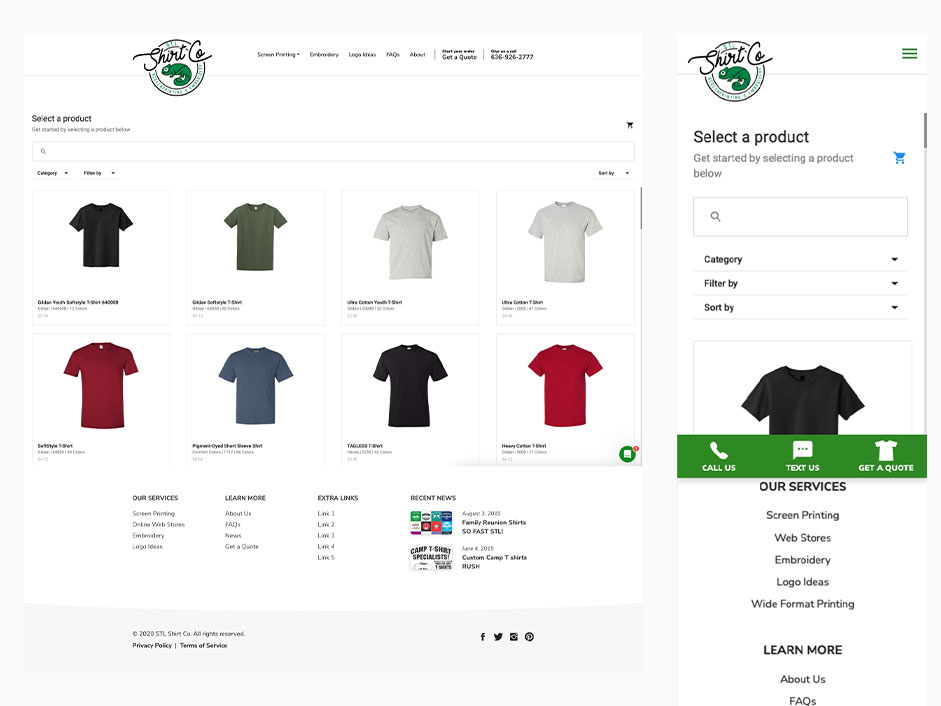
Ecommerce Development Built Around Conversions
Shirt.Co
Hexxen developed Shirt.Co's website to make products and services easier to navigate, improve conversion opportunities, and give the business a more useful ecommerce platform.
- Custom ecommerce experience: Hexxen organized the storefront around clearer product discovery, service selection, and buying paths.
- Conversion-focused functionality: Quote paths, calls to action, and user journeys were improved to create stronger opportunities for engagement.
- Performance insights: Hexxen developed reporting tools that helped the company track user behavior and make more informed marketing decisions.
Signs of a Web Development Problem
What looks like a collection of small website frustrations may actually reflect a larger development problem. A web development agency working with Springfield, MO, businesses may need to review the underlying system when quick fixes stop solving the problem.
PERFORMANCE & RELIABILITY
The Website Keeps Slowing Down or Failing
Technical issues may surface through minor disruptions long before the website stops working completely. The site may load differently from one visit or device to another while layouts and important functions become less dependable for users.
Common signs include:
- Forms that work inconsistently or stop sending expected messages
- Interactive features that behave differently across devices, screen sizes, or browsers
- Pages that respond slowly because too many scripts, plugins, assets, or inefficient processes are competing for resources
- Issues that seem fixed after a restart or correction but never fully go away
When temporary corrections do not last, the website may need a broader review of its code, hosting, integrations, and technical foundation.
TECHNICAL DEBT
Temporary Fixes Have Become the Website’s Structure
Plugins, custom code, quick patches, and manual processes may work in the moment, but they create more complexity as they build up. Eventually, nobody is fully sure which tool controls what, which update might create a conflict, or why one part of the site behaves differently from another.
Technical debt may lead to:
- Duplicate features or tools that perform the same job
- Outdated software that remains part of the website
- Website functions that become difficult to support when one developer is unavailable
- Changes that require repeated investigation before the site works correctly again
- Additional requests built on top of existing workarounds
When patches and shortcuts become the system, each new request becomes more difficult to scope, test, and complete safely.

Why Would a Business Need a Web Development Agency?
Web development matters when existing technology limits what the business can build, connect, improve, or manage effectively.
Businesses often need support with:
Your business goals are blocked by your current technology
A digital system should fit the way your organization operates. When the website, platform, or surrounding tools create limitations instead of solving problems, development expertise can identify what needs to change.
This may involve outdated platforms, disconnected systems, duplicate data entry, manual processes, or infrastructure that cannot support the next feature, integration, service, or workflow. As organizations grow, their digital infrastructure often has to evolve with them.
You have a digital project that requires outside expertise
An internal team may understand the business need but still lack the technical capacity to plan and complete the project effectively. A web development agency can assess the requirements, recommend a practical approach, and manage the work through launch.
That may involve a new website, a rebuild, ecommerce features, system integrations, custom software, performance work, CMS migrations, or another specialized project.
You need clarity before making a technology investment
Several technology choices may appear viable, but the business may still need guidance before selecting a direction. Development guidance can compare platforms, workflows, functionality, and technical tradeoffs before significant time and resources are committed.
Technology should not be added simply because another tool or platform is available. The system should create practical value by supporting efficiency, usability, and the priorities behind the investment.
When the existing website and systems create extra work, limit what comes next, or require repeated workarounds, a business may need a web development agency in Springfield, MO.

What to Expect From a Web Development Agency
Better ideas backed by practical implementation.
A capable web development agency working with Springfield, MO, businesses considers the larger project instead of focusing only on code. That means understanding what the organization needs to accomplish, which systems are already in place, and what additional support the project requires.
- Web design defines the page structure, user experience, and visual system the development work turns into a functioning experience.
- Application development may become necessary when the business needs user portals, internal dashboards, custom workflows, or other specialized features.
- Search engine optimization may influence site architecture, page relationships, redirects, performance, and how content is structured for discovery.
- Big data analytics can connect information across websites, applications, marketing, and business systems to uncover patterns that support smarter technical and business decisions.
How Front-End, Back-End, & API Development Connect
A website depends on several connected layers working together. Front-end development shapes what users see and interact with, back-end development manages the logic and data behind those experiences, and APIs connect the website with surrounding tools and platforms.
Front-End Development
Web design sets the structure, interface direction, and experience the website is meant to provide. That direction becomes a working website through front-end development across pages, layouts, forms, navigation, and interactive features.
Front-end work often includes:
- Clear content organization and navigation
- Website experiences that adapt across phones, tablets, and desktop devices
- Reliable forms and features that help users take meaningful action
- Accessibility considerations that make website information and functionality more accessible to more people
Back-End Development
Back-end development gives the website the systems and functionality needed to manage data, permissions, and business processes.
Common back-end functionality includes:
- Databases for users, products, orders, content, or customer records
- Custom software built around specific business requirements
- Administrative interfaces for managing content and user permissions
- Portals, administrative dashboards, web applications, and organization-specific tools
APIs & Integrations
Few business websites function as completely isolated systems. API development helps the website communicate with CRMs, payment systems, ecommerce tools, databases, scheduling platforms, reporting systems, and other connected software.
Connected systems help information move between platforms while reducing manual entry and keeping the website from becoming another isolated tool.
These three areas need to be planned as parts of one connected system. A polished interface creates little value when the functionality behind it does not work reliably. Even dependable systems become less useful when people struggle to find or use the available functionality. Even useful system connections fall short when the website cannot manage the resulting data correctly.
Web Development Agency FAQs
Common questions about working with a web development agency in Springfield, MO, include:
What does a web development agency in Springfield, MO, actually do?
A web development agency handles the planning, development, improvement, and ongoing technical support behind a website.
The agency should also help the business clarify what the website and surrounding technology need to accomplish. Development is more useful when technical decisions align with real users, internal workflows, and future requirements instead of adding features without a clear purpose.
How much does web development cost in Springfield, MO?
There is no single price for web development because the scope and technical requirements differ from one project to another. Several factors can influence the cost:
- The number of pages and the complexity of the site structure
- Custom functionality, ecommerce requirements, and third-party integrations
- The amount of content, migration work, design, and administrative setup involved
- Planning, development, testing, and launch support
A useful estimate should follow a review of the project requirements, available approaches, and expected responsibilities.
How long does a website development project take in Springfield, MO?
The length of a website development project depends on its scale, required functionality, connected systems, available content, approvals, and testing requirements.
Simple website projects may progress faster than ecommerce builds, custom platforms, or connected systems with more complex technical requirements. Before committing to a launch date, the agency should clarify the major requirements, ownership, review process, and project phases.
Who owns the website, code, accounts, and data after launch?
A website consists of several assets that may have different ownership or management arrangements. Those assets can include the domain, hosting, source code, content, user accounts, analytics, connected software, and the data collected through the website.
Before launch, the development team and business should document ownership, administrative access, licensing, and ongoing responsibilities. That clarity helps avoid access problems and supports future maintenance, updates, or provider changes.
Can a web development agency take over a project another developer started?
Taking over another developer's project usually begins with a technical review. The new agency needs to understand the current code, platform, hosting environment, integrations, design direction, unfinished work, and any decisions already made.
Some projects can continue from the existing foundation, while others require cleanup, replacement, or a revised scope. The agency should explain what can be preserved, what creates risk, and what needs to change before committing to the next phase.
Can a web development agency in Springfield, MO, improve my existing website?
A complete replacement is not always necessary when targeted development can solve the underlying problems. Common improvements include:
- Restoring features that no longer perform as expected
- Updates that improve performance, security, and day-to-day website management
- Linking outside software with the website through integrations
- Developing new features that support changing business needs
Replacing the website may become the better option when the existing platform limits important functionality, depends on outdated technology, or becomes too expensive to maintain.
What happens after the website launches?
The work after launch varies according to the website and how maintenance, ownership, and future development are handled. Responsibilities may include:
- Content maintenance and platform updates
- Performance monitoring, backups, and security
- Hosting support, troubleshooting, and ongoing technical maintenance
- Adding new functionality as business requirements change
Those responsibilities should be clear before launch. The business should know who controls important accounts, who handles technical problems, and how future changes will be requested and completed.
Partner With the Right Springfield, MO, Web Development Agency, Not the "IT Guy"
Hexxen develops and supports websites with the technical structure, functionality, and adaptability needed to perform useful work for the business.
Our website development work combines:
- Selecting platforms, features, and development methods depends on informed technical decisions.
- The project should establish clear roles and expectations around access, systems, and decision-making.
- Websites should be built for ongoing management, improvement, and expansion.
- Going live should be followed by a clear plan for maintenance and continued improvement.
Depending on the project, our development services may also include:
A finished website is only part of what our Springfield, MO, web development agency provides. The larger goal is a practical foundation that supports the organization’s next priorities.
To discuss your website and development needs, contact our team or call (314) 499-8253.