

For a Chicago, IL business, website design is not only about what customers see on the screen. The site also has to work with the processes your team relies on to market the business, manage leads, serve customers, and keep things moving behind the scenes.
A website can look impressive and still perform badly. Visitors will not care much about the visual polish if they cannot find what they need, the content does not answer their questions, tracking is unreliable, or inquiries never reach the right person.
Before choosing layouts, colors, or visual details, a Chicago, IL website design company should know what success for the site actually looks like.
Table of contents
Hexxen has more than 25 years of experience designing, building, optimizing, and improving websites for Chicago, IL companies with very different customers, systems, and growth plans.
What Does a Business Website Need to Accomplish?
Start with what people are actually trying to accomplish when they reach your Chicago, IL website. For a manufacturer, that could mean putting detailed product information, drawings, and specifications within easy reach. For a law firm, it could mean helping someone with an urgent legal issue connect with an attorney immediately. For an ecommerce company, it often means shortening the distance between finding a product and completing the order.
The specifics change from one company to another. The basic job of the website usually comes down to four things.
1. Explain the offer quickly.
Clarity beats cleverness when someone first reaches the site. Make it easy to understand what you provide, who you help, and where to go for the information or action they need.
2. Give people a reason to trust the business.
Trust can come from many places: completed projects, customer reviews, credentials, experienced staff, detailed product information, helpful resources, or simply a website that presents the company consistently. Which of those carries the most weight depends on the buyer.
3. Guide different users toward the right information.
A prospective customer should not have to navigate the website the same way as someone looking for support or applying for a job. Different visitors arrive with different goals, and the structure should account for that.
4. Create a useful next step.
The next step might be a call, form, purchase, quote, application, account login, download, dealer search, appointment, or conversation with sales. It should feel natural for the page and easy to complete.
How Chicago, IL Website Needs Change by Business Model
Different business models put different demands on a website. Some sites need to generate leads, others need to process transactions, support long research cycles, or connect multiple systems and audiences.
Calls, forms, and appointments
Lead Generation Websites
For businesses that rely on inquiries, the website has to move people from research to action. Local search visibility, useful service pages, reviews, project examples, and straightforward contact options all help make that transition easier.
Products, carts, and repeat buyers
Ecommerce Websites
A strong product page helps, but it cannot carry the entire store. Shoppers also need to find items easily, understand availability, check out without friction, manage accounts, and know what is happening after the order is placed.
Longer research and buying cycles
B2B and Industrial Websites
A quote request may come late in the process. Before that happens, buyers may be comparing capabilities, reviewing specifications, checking industry experience, looking at past projects, and gathering information for other people involved in the decision.
Multiple audiences and systems
Enterprise and Custom Platforms
Global content, data feeds, APIs, permissions, portals, complex forms, and internal stakeholders turn the website into a larger software and operations project.

Chicago, IL Website Design Services That Work Together
Hexxen handles strategy, content, design, development, SEO, and tracking as parts of the same project. The exact scope changes from one website to the next, but each piece should be planned around how the finished site needs to work.
Website Strategy and Architecture
The architecture should reflect how people actually use the website. We plan audiences, navigation, page relationships, and conversion routes before those decisions become harder to change later in the project.
- Discovery work, competitive analysis, and user planning
- Sitemaps, page types, user journeys, and conversion paths
- Planning for content, functionality, and connected systems
UX, UI, and Visual Design
We design the interface around how visitors need to move through the site and what information deserves their attention. That applies to navigation, layouts, type, imagery, and interactions. Mobile design is part of that process from day one, not a desktop layout squeezed onto a smaller screen afterward.
- Page wireframes and high-fidelity mockups
- Reusable design systems built for responsive layouts
- Accessible design informed by W3C accessibility guidance
Website Content and Search Foundations
Content planning starts with real questions. What are people searching for? What does your Chicago, IL business need them to understand? What information would help them feel comfortable moving forward? The answers shape the page copy as well as supporting proof such as reviews, credentials, project examples, and pricing details.
- Core website messaging, service or product content, and next-step calls to action
- Search-friendly URLs, headings, metadata, schema, and internal structure
- Content structured for search engines and AI-assisted discovery
Web Development and Integrations
Development is where the planned experience becomes functional. Hexxen builds the website, sets up content management, develops custom front-end features, and connects forms, ecommerce tools, APIs, and other business systems as needed.
- Custom website development and content management tools
- CRM, ERP, ecommerce payment, inventory, portal, map, and API integrations
- Forms, account systems, lead workflows, and custom functionality
Testing, Performance, and Launch
Before the site is released, we work through the pieces that are easy to miss in a mockup. That includes browser and device testing, form submissions, redirects, tracking, accessibility checks, search settings, and connections to outside systems.
- Testing across browsers, devices, and screen sizes
- Performance improvements informed by Google’s Core Web Vitals guidance
- Launch support covering redirects, indexing, and analytics
SEO and Digital Marketing Integration
Your website becomes the destination for traffic from SEO, paid advertising, email, social media, content marketing, and other channels. Hexxen plans for those uses so a Chicago, IL campaign can send visitors to the page, offer, form, or action that actually fits the message.
- SEO-ready service pages, location pages, resources, and landing pages
- Campaign-specific conversion paths, forms, calls to action, and lead tracking
- Analytics and attribution built to show how website activity contributes to marketing outcomes
Chicago, IL Website Design for Different Kinds of Growth
A website should reflect what the business is trying to accomplish, which means the solution can look very different from one project to another. These four examples make that clear.
A searchable portfolio and sales tool
Counsilman-Hunsaker
A portfolio of more than 1,500 projects gave Counsilman-Hunsaker plenty of experience to show, but prospective clients needed a practical way to find the work that matched their own project.
Instead of presenting hundreds of projects in one long collection, Hexxen created filters for project type, sector, service, and location. The addition of an interactive map made the portfolio easier for prospective clients to research and gave the sales team a much more practical way to pull up relevant work.

A global interface backed by complex data
UniGroup Worldwide
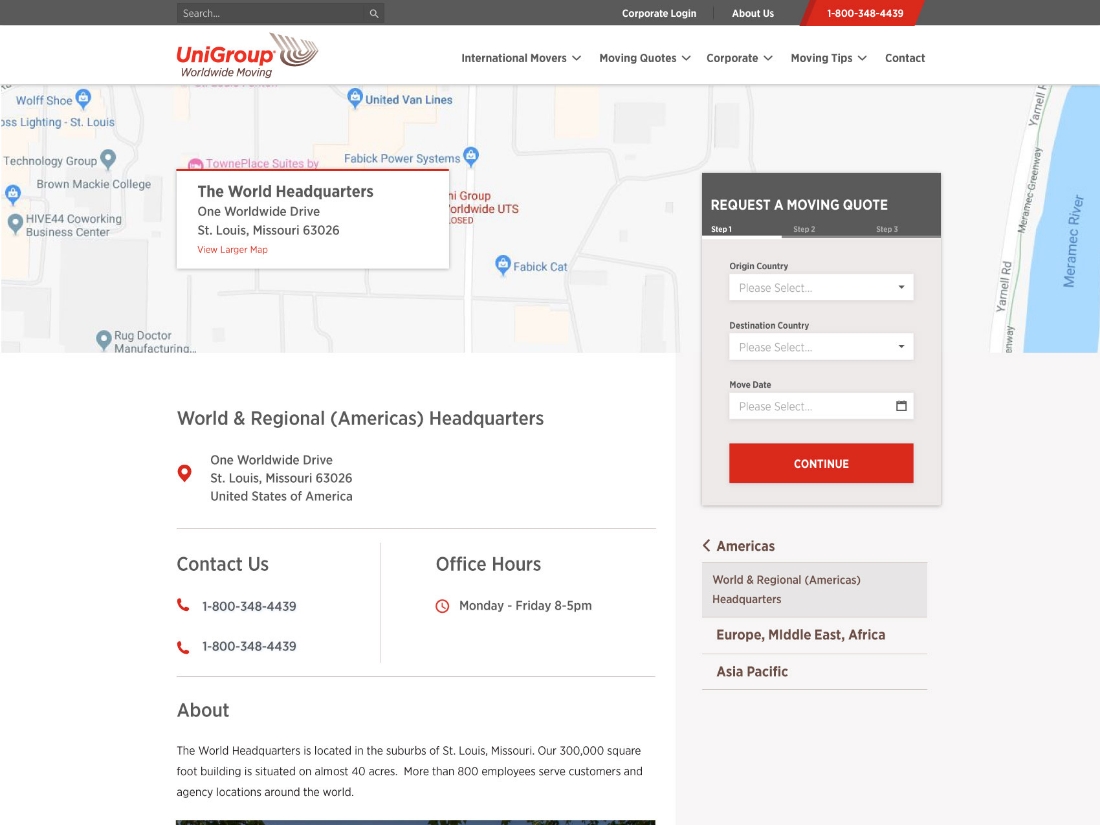
UniGroup needed more than a visual refresh. Its existing website struggled to convert visitors, while the technology behind its international operations was showing its age.
The finished website gives customers a more direct experience while doing considerably more behind the scenes. Hexxen combined conversion-focused design with updated API infrastructure that keeps data aligned across UniGroup’s global network.
Retail, ecommerce, and lead generation
Shirt.Co
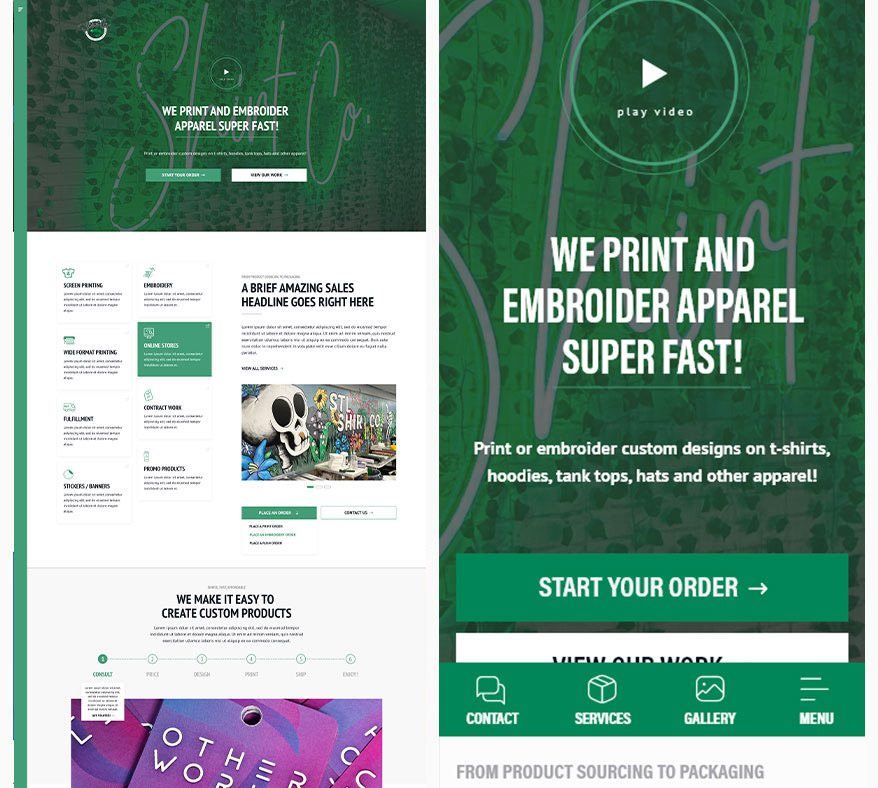
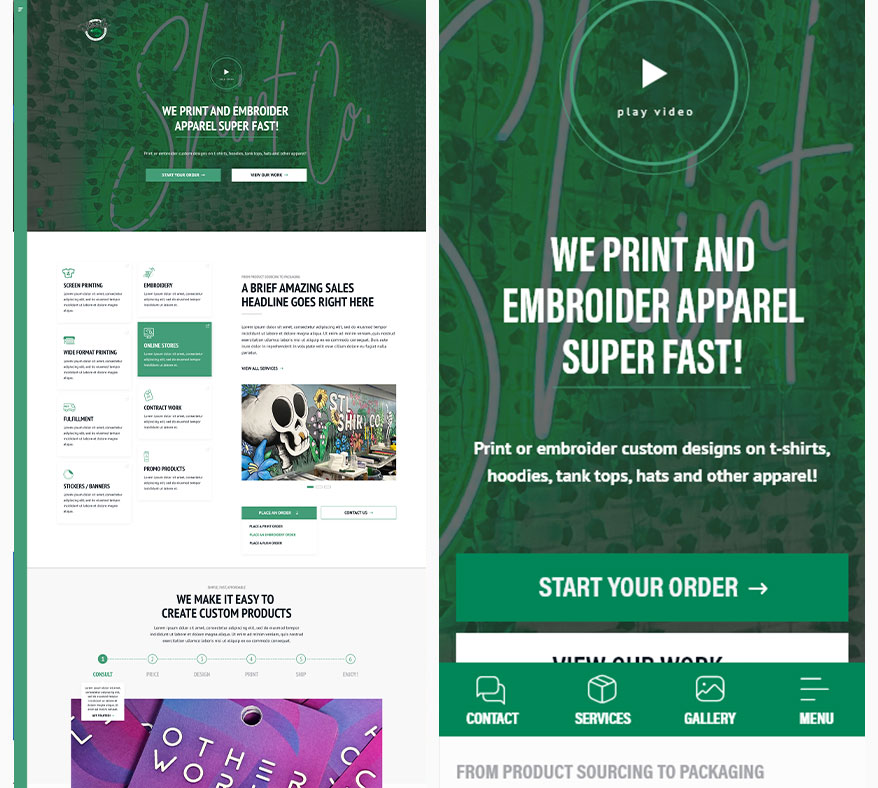
The challenge for Shirt.Co was not a shortage of services. Customers could choose from custom apparel, branded merchandise, promotional products, online stores, and multiple production methods, so the website needed to make a broad offering feel easy to navigate.
Hexxen simplified the way services were presented, gave the brand a stronger visual identity, and made products and quote requests easier to reach. Supported by SEO, paid campaigns, and reporting, the broader strategy helped move quote volume from about one or two per week to 15 to 20 per day.
A multi-market growth and intake platform
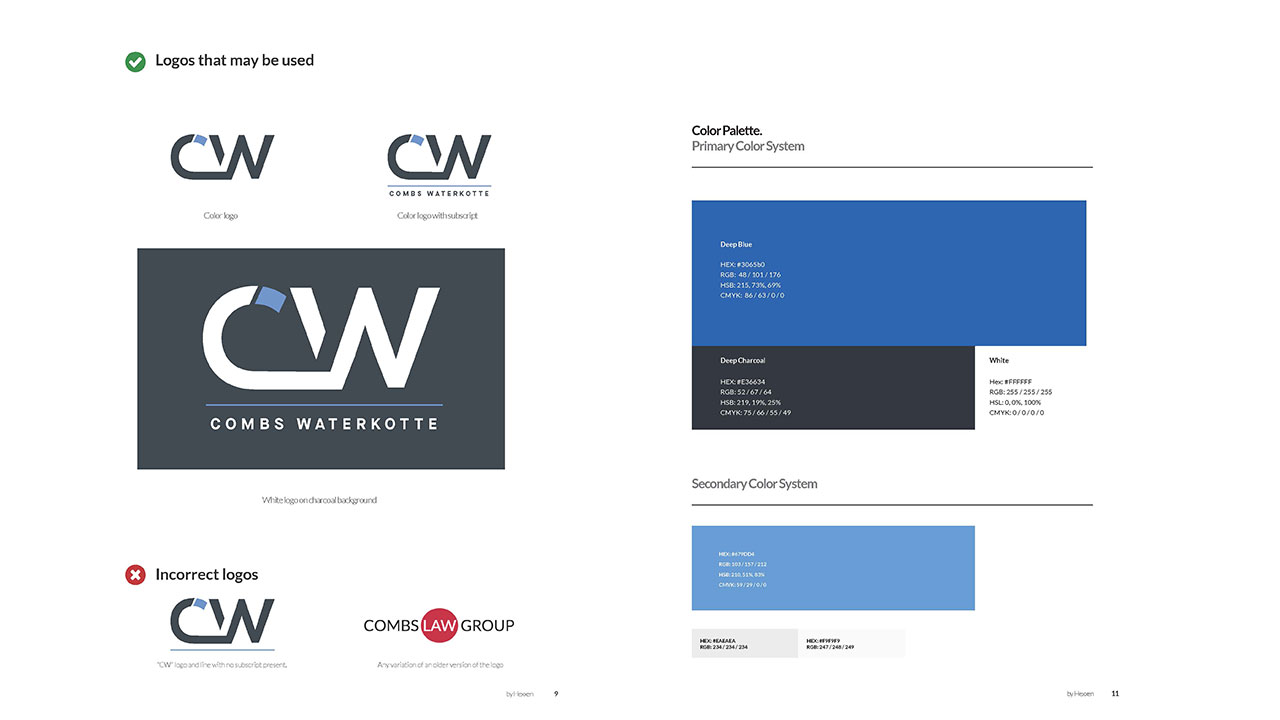
Combs Waterkotte
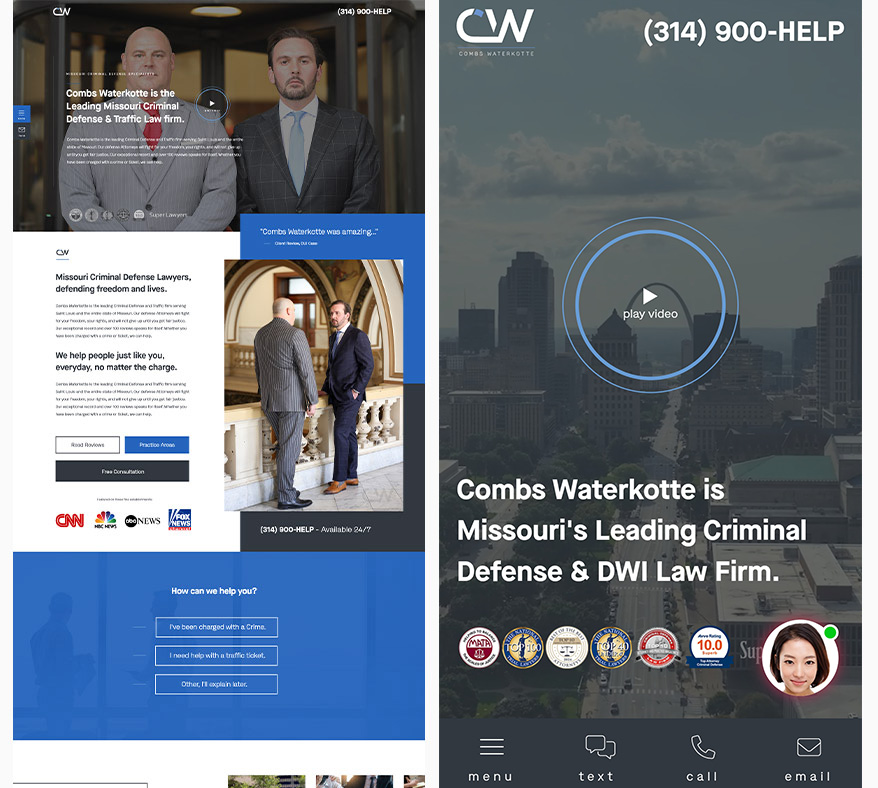
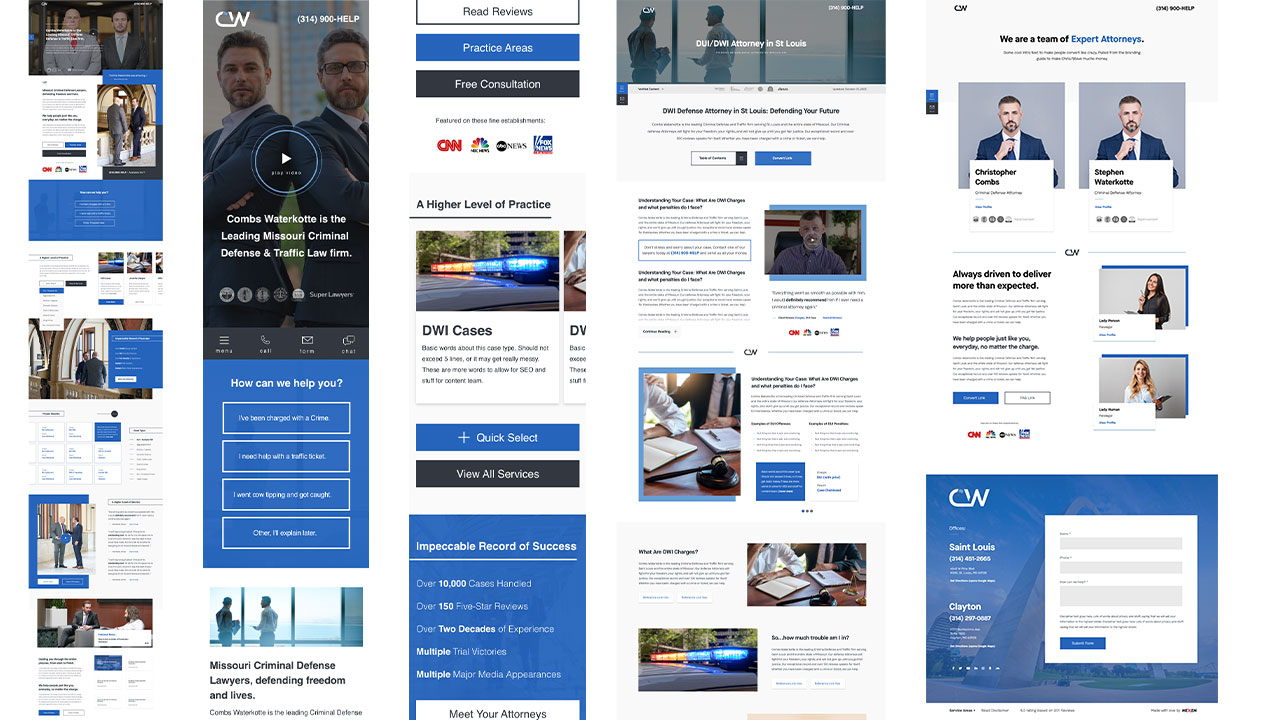
Combs Waterkotte was no longer operating with the same footprint its original website was built to support. Expansion into new offices, practice areas, and markets meant the site needed to handle more audiences, more searches, and more ways for potential clients to reach the firm.
Supporting a larger law firm required more than adding new pages whenever another office opened. Hexxen redesigned the site around individual markets, case types, conversion paths, and intake needs. That work formed part of a wider search, advertising, branding, and operations partnership during a period in which Combs Waterkotte expanded to six locations and reported 700% revenue growth over eight years.
Ready to Build the Website Your Chicago, IL Business Needs Next?
A stronger website starts with more than a new look. Hexxen connects strategy, content, design, development, SEO, and marketing around the next stage of growth for your Chicago, IL business.
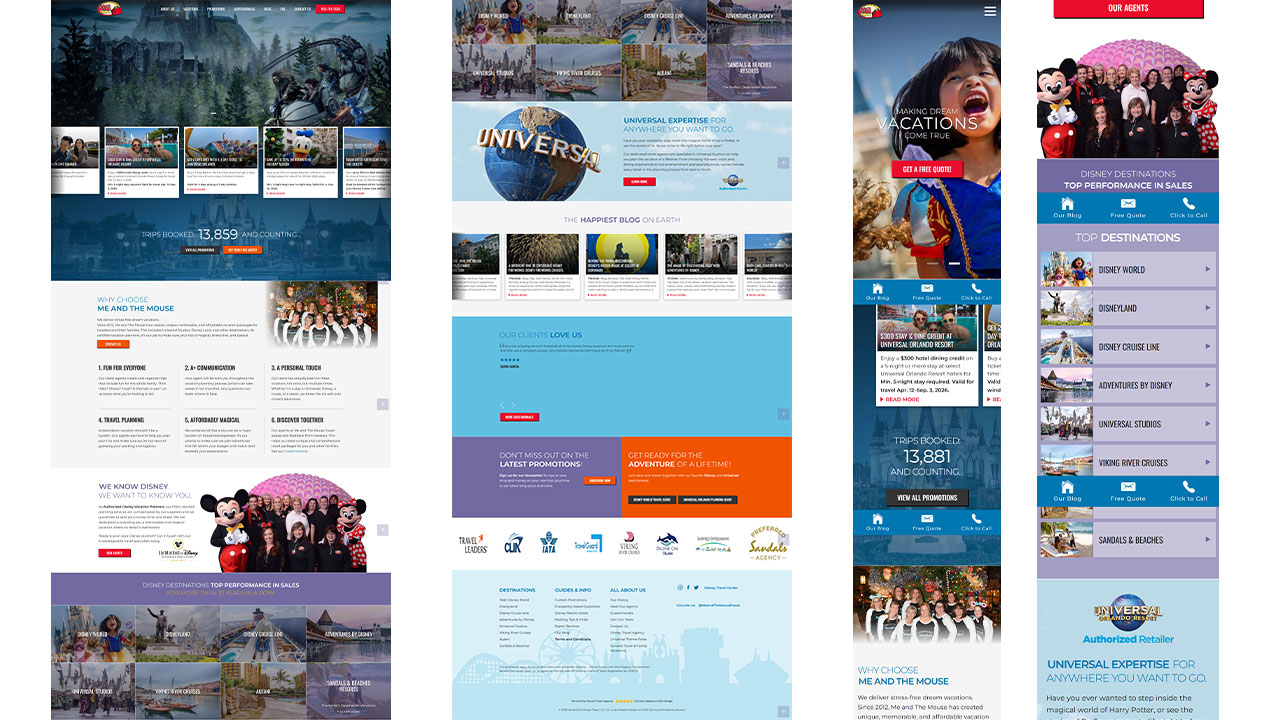
How Hexxen Builds a Website in Chicago, IL
Website projects have a lot of moving pieces, so the process needs visible checkpoints. You should be able to review the structure, content, design, and working build before launch day turns into a surprise party nobody asked for.
1. Discovery and Research
Discovery gives the rest of the project something concrete to build around. We identify who the website serves, how the business generates opportunities or sales, what is not working today, which systems matter, and how success will be measured.
2. Sitemap, Content, and Technical Planning
Planning answers the questions that can cause expensive problems later. What pages exist? How do users move between them? What content has to be created? Which systems connect to the site? What needs to redirect? What should be tracked?
3. Content and Design
Writers shape what the page needs to say while designers work out how that information should be presented. Using real content in key mockups makes it possible to judge whether the page actually works before development starts.
4. Development and Integration
Development happens with checkpoints too. As pages, content, forms, and integrations come online, the team reviews them in the functioning website and can make adjustments before small issues become expensive rewrites.
5. Testing, Launch, and Improvement
We test the site, complete redirects and tracking, launch carefully, and watch what happens next. Real users have a talent for finding the one path nobody thought to click.
Chicago, IL Website Design Company FAQs
How much does a custom website cost?
There is not a single price for a custom website because the amount of work can vary dramatically. Page count, content, design requirements, ecommerce, integrations, custom features, migration needs, and the state of the existing site can all affect the cost.
A useful proposal should show what is included and which parts of the project create the largest swings in cost. A five-page marketing site and a multi-location platform with custom APIs are not neighboring products.
How long does it take to design and build a website?
A smaller website with a clear scope may move quickly. As page volume, content production, ecommerce, integrations, languages, and technical requirements increase, so does the amount of planning and testing needed before launch.
The build is only as fast as the information and approvals feeding it. Feedback cycles, content, photography, data, and outside-platform access can become critical parts of the project schedule.
Can Hexxen redesign an existing website?
Yes. Hexxen can assess the website as it exists today, including its content, architecture, design, SEO, analytics, connected systems, and underlying technology. From there, we can make informed decisions about what to retain and what needs a different approach.
Can Hexxen write the website content?
Yes. Website content can be part of the project rather than something your team has to finish after the designs are approved. Hexxen can plan and write core messaging, product or service pages, location and industry content, case studies, FAQs, resources, and calls to action.
Is SEO included in website design?
A redesign can create search problems if SEO is saved for the end. Hexxen considers crawlability, page structure, URLs, metadata, content, redirects, mobile experience, performance, schema, and other search requirements throughout the build.
A strong launch foundation means the ongoing SEO team can focus on growth instead of spending the first several months repairing the new website. Continued work can then concentrate on content, technical improvements, authority, local search, reporting, and performance.
Will the website work on phones and tablets?
Yes. The interface adjusts for different devices and is tested across typical browser and screen combinations. Particular attention goes to the things that often become awkward on mobile, such as menus, forms, buttons, media, content order, and calls to action.
Can the website connect to our CRM, ERP, inventory, payment, or other systems?
Yes. Hexxen builds custom APIs and integrations for systems such as CRMs, ERPs, ecommerce platforms, payment processors, maps, inventory tools, portals, forms, and custom software. The available connection depends on the other platform's API, data, permissions, and technical limits.
Does Hexxen provide hosting, maintenance, and website support in Chicago, IL?
Yes. Hexxen provides post-launch support for both the day-to-day health of the website and its continued development, including hosting, maintenance, security, performance, content updates, development work, analytics, and SEO.
Build a Website With a Clear Job for Your Chicago, IL Business
Hexxen designs and builds websites around the way your Chicago, IL company actually attracts customers, explains its value, handles opportunities, and grows.
Bring the problem, not a perfectly packaged solution. If your Chicago, IL business has an aging site, confusing structure, fresh brand, stubborn integration, or an idea that needs to be worked through, Hexxen can help turn it into a website with a clear purpose.